The Role of Gold in a Balanced Investment Portfolio
Gold, a precious metal with a rich history and cultural significance, plays a unique role in a balanced investment portfolio. Its distinctive characteristics and diversification potential make it a valuable asset for investors seeking both stability and growth.
1. Diversification:
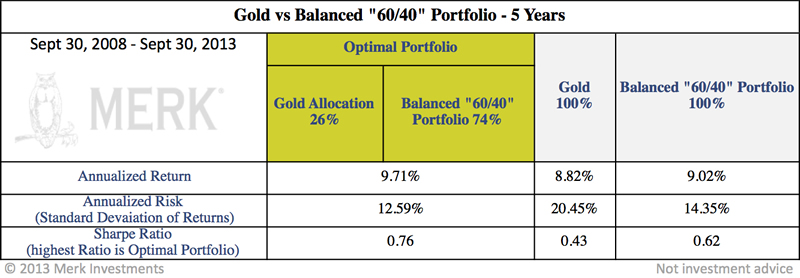
Gold exhibits a low correlation with other asset classes, such as stocks, bonds, and real estate. This means that when other investments fluctuate, gold tends to behave differently, reducing the overall risk of a portfolio. Diversification by including gold helps mitigate losses during market downturns.
2. Preservation of Capital:
Gold has a reputation as a safe haven asset. In times of economic uncertainty, investors tend to flock to gold as a store of value. Its tendency to maintain or appreciate its value during periods of market volatility protects capital from depreciation.
3. Inflation Hedge:
Historically, gold has served as a hedge against inflation. When the value of fiat currencies decreases due to rising inflation, gold tends to increase in value, preserving purchasing power. This makes gold a valuable asset for investors concerned about the long-term effects of inflation.
4. Currency Fluctuations:
Gold is priced in US dollars, but its value is independent of any single currency. As such, it can provide a hedge against currency fluctuations and protect investors from the negative impacts of currency devaluations.
5. Crisis Catalyst:
During periods of financial crisis or geopolitical turmoil, investors often seek refuge in gold. Its perceived stability and safety make it a desirable asset in such scenarios. Gold’s performance during these times can provide a ballast for a portfolio.
How to Include Gold in a Portfolio:
There are several ways to add gold to an investment portfolio:
- Physical Gold: Purchasing physical gold bars or coins can provide direct ownership of the metal.
- Gold ETFs (Exchange-Traded Funds): Gold ETFs offer a convenient way to invest in gold without purchasing the physical metal. They track the price of gold and provide liquidity.
- Gold Mining Stocks: Investing in companies that mine gold can provide exposure to the gold industry. However, mining stocks are subject to company-specific risks.
Optimal Allocation:
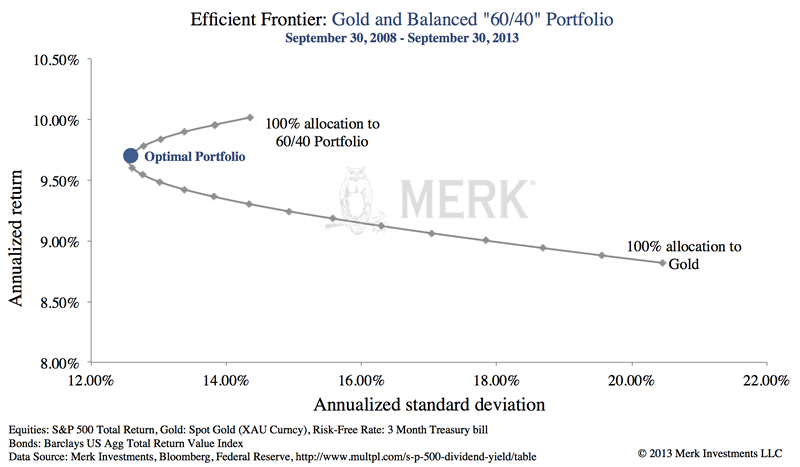
The optimal allocation of gold in a portfolio depends on individual risk tolerance and investment goals. However, a common recommendation is to allocate 5-10% of a balanced portfolio to gold.
Conclusion:
Gold plays a valuable role in a balanced investment portfolio. Its diversification potential, ability to preserve capital, inflation hedge, currency fluctuations hedge, and crisis catalyst characteristics make it a prudent asset to include for both stability and growth. By incorporating gold into their portfolios, investors can enhance their long-term financial well-being.Die Rolle von Gold in einem ausgewogenen Anlageportfolio
Zusammenfassung
Gold spielt eine bedeutende Rolle in einem ausgewogenen Anlageportfolio. Es bietet Diversifikation, Inflationsschutz und langfristige Wertsteigerung. Durch Investitionen in Gold können Anleger ihr Portfolio stabilisieren, Risiken reduzieren und ihre finanziellen Ziele erreichen.
Einleitung
In einer unsicheren Wirtschaftslage ist es wichtiger denn je, ein ausgewogenes Anlageportfolio aufzubauen, das verschiedene Anlageklassen umfasst. Gold ist eine wertvolle Ergänzung zu jedem Portfolio, da es einzigartige Eigenschaften bietet, die andere Anlagen nicht haben.
FAQs
- Warum sollte ich in Gold investieren?
- Gold bietet Diversifikation und reduziert das Gesamtrisiko des Portfolios.
- Es schützt vor Inflation, da sein Wert während Inflationsperioden tendenziell steigt.
- Gold hat eine langfristige Wertsteigerung gezeigt und kann eine stabile Rendite liefern.
- Wie kann ich in Gold investieren?
- Goldbarren und -münzen
- Gold-ETFs und -Fonds
- Goldaktien und -förderer
- Wie viel Gold sollte ich in meinem Portfolio haben?
- Die optimale Zuteilung zu Gold variiert je nach individuellen Zielen und Risikotoleranz. Es wird jedoch allgemein empfohlen, 5-10 % des Portfolios in Gold zu investieren.
Hauptargumente für Goldinvestitionen
Diversifikation
- Reduziert die Gesamtvolatilität des Portfolios.
- Gold hat eine negative Korrelation zu anderen Anlageklassen wie Aktien und Anleihen.
- Es bietet Schutz vor Marktrückgängen.
Inflationsschutz
- Der Wert von Gold steigt in der Regel während Inflationsperioden.
- Gold dient als Wertaufbewahrungsmittel und schützt das Vermögen vor Kaufkraftverlust.
- Es gilt als sichere Anlage in Zeiten wirtschaftlicher Unsicherheit.
Langfristige Wertsteigerung
- Gold hat in der Vergangenheit eine stetige Wertsteigerung gezeigt.
- Es hat sich über Jahrhunderte als wertvoller Vermögenswert erwiesen.
- Gold bietet eine stabile Rendite und kann langfristig Vermögen aufbauen.
Weitere Vorteile
- Wichtiges Gut: Gold ist ein physisches Gut, das nicht hergestellt werden kann.
- Liquidität: Gold ist ein hoch liquider Vermögenswert, der leicht zu kaufen und zu verkaufen ist.
- Steuervorteile: In einigen Ländern werden Goldinvestitionen steuerlich begünstigt.
Fazit
Gold ist eine wertvolle Ergänzung zu jedem ausgewogenen Anlageportfolio. Es bietet Diversifikation, Inflationsschutz und langfristige Wertsteigerung. Durch Investitionen in Gold können Anleger ihr Portfolio stabilisieren, Risiken reduzieren und ihre finanziellen Ziele erreichen. Die Einbeziehung von Gold in ein Portfolio ist ein kluger Schachzug, der Anlegern helfen kann, ihre finanzielle Zukunft zu sichern.
Stichwörter
- Goldinvestition
- Diversifikation
- Inflationsschutz
- Langfristige Wertsteigerung
- Ausgewogenes Anlageportfolio