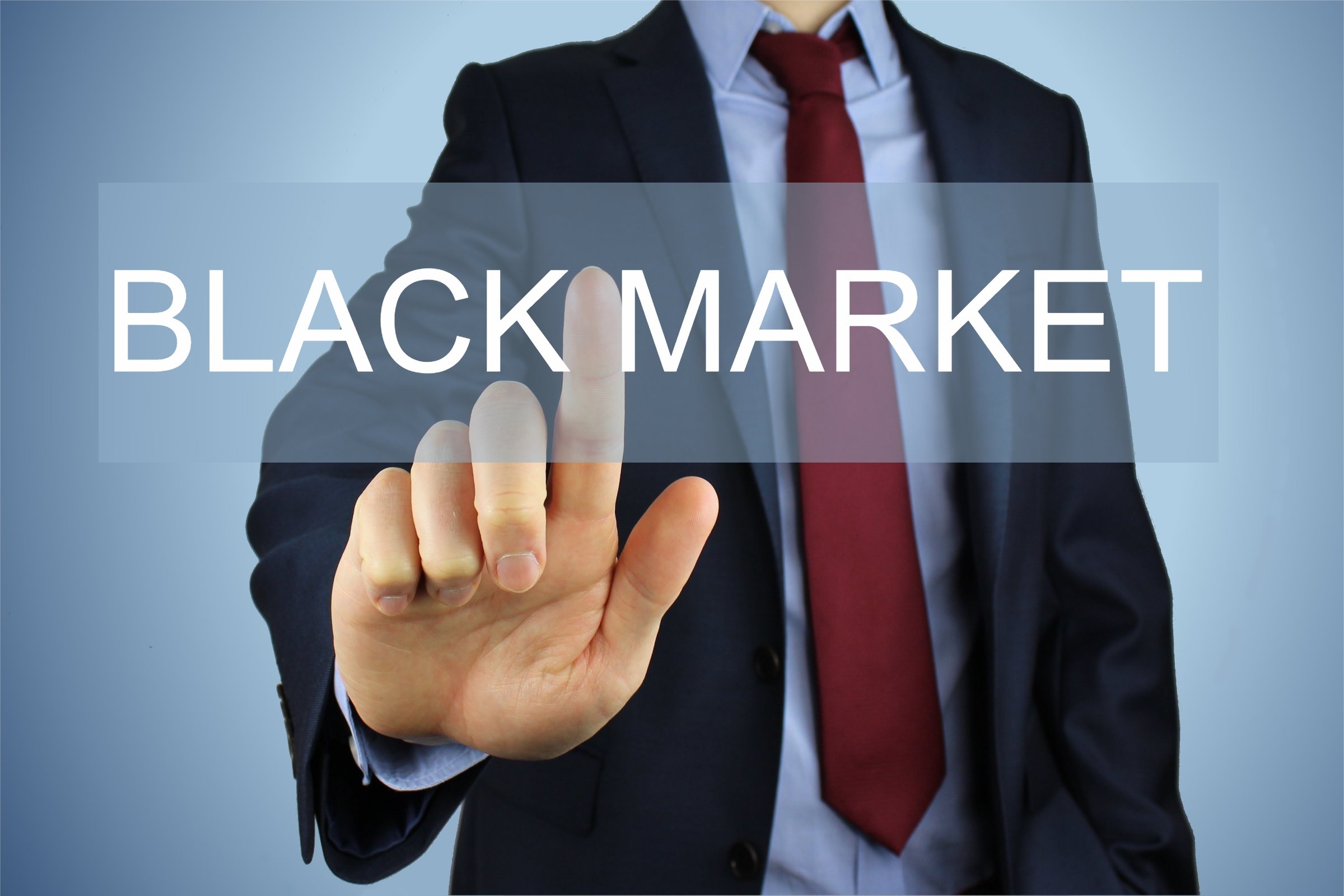
aChia.eu – Imagine a world where commerce operates outside the boundaries of law and regulation. A realm where goods and services flow through hidden networks, driven by demand, opportunity, and a disregard for ethical and legal considerations. This, my friends, is the world of the black market.
The term “black market” evokes a sense of mystery and intrigue, conjuring images of clandestine operations and shadowy figures operating in the fringes of society. But the black market is far from a mere concept. It’s a tangible force with far-reaching consequences, impacting economies, societies, and individual lives across the globe. It’s a complex and dynamic system that thrives on the tension between supply and demand, where the allure of forbidden goods and services outweighs the risk of legal repercussions.
Learn more about What Is Market Segmentation: A Comprehensive Guide for Business Success
Black Market Goods and Services
The black market is a diverse ecosystem, offering a wide range of goods and services that are either illegal, restricted, or unavailable through traditional channels. This “shadow economy” encompasses a spectrum of activities, from the sale of illicit drugs and weapons to the trafficking of human beings and the distribution of counterfeit goods.
Prohibited Products:
The most notorious items found in the black market are those that are strictly prohibited by law. This includes illegal drugs, such as cocaine, heroin, and methamphetamine, which are highly addictive and pose severe health risks. The illegal trade in weapons, including firearms, explosives, and ammunition, also thrives in the shadows, fueling violence and instability. The black market for human trafficking is a horrific reality, where people are exploited and forced into slavery, prostitution, or other forms of servitude.
Counterfeit Goods:
The trade in counterfeit goods is a global problem, ranging from knock-off designer handbags to fake pharmaceuticals and electronics. These counterfeit products often pose safety risks, as they may contain harmful ingredients or be poorly made, potentially causing injuries or health problems.
Illegal Services:
The black market also offers various illegal services, including money laundering, gambling, and illegal immigration. Money laundering involves disguising the origins of illegally obtained funds, while illegal gambling operates outside the regulations and taxes imposed on legal gambling businesses. The illegal smuggling of people across borders poses serious risks to individuals, as they may be exploited or subjected to inhumane conditions.
Learn more about How Does The Stock Market Work: A Beginner’s Guide to Investing
The Impact of the Black Market
The black market has a profound impact on economies, societies, and the environment. Its activities often result in a ripple effect, creating a cycle of crime and instability.
Economic Consequences:
The black market undermines legitimate businesses by diverting customers and profits. It also disrupts the flow of goods and services, leading to price fluctuations and economic instability. The lack of regulations in the black market can result in a “race to the bottom,” where businesses prioritize profit over quality and safety. The illegal trade in counterfeit goods erodes brand value and damages the reputation of legitimate businesses.
Social Consequences:
The black market fuels crime and violence, contributing to organized crime and gang activity. It can also lead to social unrest and conflict. The illegal drug trade has devastating social consequences, including addiction, poverty, and broken families.
Health and Environmental Consequences:
The black market trade in illicit drugs and counterfeit pharmaceuticals often involves unsafe production practices and the use of harmful chemicals. This poses risks to public health. The illegal logging and poaching activities associated with the black market can lead to deforestation and habitat destruction, harming ecosystems and wildlife.
Learn more about How the Stock Market Works: Unveiling the Magic
The Fight Against the Black Market
Combatting the black market is a complex and ongoing challenge that requires a multi-pronged approach involving law enforcement, intelligence agencies, international cooperation, and technological innovation.
Law Enforcement and Intelligence Agencies:
Law enforcement agencies around the world are constantly working to disrupt black market operations. This includes investigating criminal networks, seizing illegal goods and assets, and bringing perpetrators to justice. Intelligence agencies play a critical role in gathering information about criminal organizations and their activities.
International Cooperation:
The black market is often transnational, operating across borders and jurisdictions. Therefore, international cooperation between law enforcement agencies and intelligence agencies is essential to dismantle criminal networks and combat illicit trade. Read more about Interpol
The Role of Technology:
Technology is playing an increasingly important role in the fight against the black market. Law enforcement agencies are using advanced surveillance tools, data analysis techniques, and communication interception capabilities to identify and disrupt criminal activities. Artificial intelligence (AI) and machine learning (ML) are also being used to analyze vast amounts of data and identify patterns that can be used to track down criminals.
Learn more about How to Invest in the Stock Market
The Future of the Black Market
The black market is a dynamic and evolving force that continues to adapt to changing social and economic conditions. Several trends are shaping the future of the black market, including the increasing role of technology, the impact of globalization, and the evolving nature of consumer demand.
Emerging Trends:
- Digitalization: The rise of the internet and e-commerce has opened new avenues for black market activities. Online platforms are being used to facilitate the sale of illegal goods and services, making it easier for buyers and sellers to connect.
- Cryptocurrencies: The use of cryptocurrencies, such as Bitcoin, is increasing in the black market, offering a decentralized and anonymous means of payment.
- Dark Web: The dark web has become a haven for illegal activity, providing a platform for the sale of drugs, weapons, and other contraband, as well as for the exchange of sensitive information.
- 3D Printing: The proliferation of 3D printing technology has made it easier for individuals to manufacture counterfeit goods and weapons at home.
The Impact of Digitalization:
The digital world has made the black market more accessible, efficient, and global. It has also increased the challenge for law enforcement agencies to track and disrupt criminal activity. Digital platforms have made it easier for buyers and sellers to connect anonymously, obfuscating the flow of goods and services. The use of cryptocurrency further enhances anonymity and allows for the transfer of funds across borders with minimal scrutiny.
The Role of Consumer Awareness:
Consumer awareness is crucial to combatting the black market. Consumers should be aware of the risks associated with purchasing counterfeit goods or using illegal services. By choosing to patronize legitimate businesses and reporting suspicious activity, consumers can help to reduce the demand for black market products and services.
Learn more about What Is Marketing Research?
Wrap-Up: Navigating the Shadows
The black market is a complex and multifaceted phenomenon that has a profound impact on society. It is characterized by a range of illegal goods and services, fueled by demand, opportunity, and a disregard for regulations. The black market poses significant risks to individuals, businesses, and the environment.
While the challenges of combating the black market are significant, the efforts of law enforcement, intelligence agencies, and international cooperation are making progress in disrupting criminal networks and protecting society from the harm caused by illegal trade.
The evolving nature of the black market, driven by technological advancements and globalization, highlights the need for a multifaceted approach to counter it. This includes promoting consumer awareness, investing in law enforcement and intelligence capabilities, and harnessing technology to disrupt criminal activities. By working together, governments, businesses, and individuals can play a crucial role in reducing the reach and impact of this shadowy realm.