

aChia.eu – Entering the World of Stocks. The stock market, often referred to as Wall Street, is a complex and dynamic system that plays a crucial role in the global economy. It’s a marketplace where buyers and sellers come together to trade shares of publicly-traded companies. But don’t let the word “complex” scare you! The stock market, despite its reputation for being a mysterious and intimidating realm, is actually quite accessible, even for beginners.
What is the Stock Market?
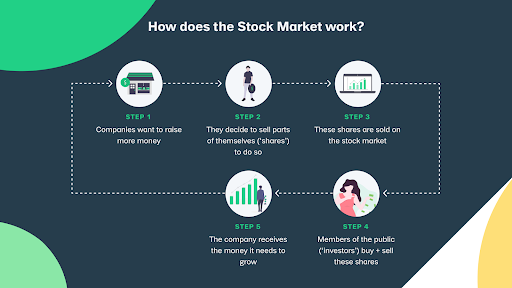
The stock market is basically a collection of exchanges, like the New York Stock Exchange (NYSE) and Nasdaq, where shares of companies are traded. Think of it like a giant auction where investors buy and sell ownership stakes in publicly-traded companies.
Why Invest in Stocks?
Investing in stocks can be a rewarding endeavor, offering the potential for significant returns on your investments. Here are a few reasons why investors are drawn to the stock market:
- Growth Potential: Stocks, unlike fixed-income securities like bonds, offer the potential for substantial growth over time. This is because the value of a stock can increase as the underlying company becomes more profitable.
- Diversification: Owning stocks provides a way to diversify your portfolio and spread risk across different assets. This can help mitigate losses if one investment performs poorly.
- Inflation Hedge: Stocks can act as a hedge against inflation, as the value of shares tends to increase with rising prices.
The Basics of Stock Ownership
When you buy a stock, you are essentially purchasing a tiny piece of ownership in that company. This ownership comes with certain rights, including:
- Voting Rights: You have the right to vote on important company decisions, such as electing board members.
- Dividend Payments: If the company is profitable, it may distribute a portion of its earnings to shareholders in the form of dividends.
Learn more about AI and SEO: A Guide to Using AI Ethically and Effectively
How Stocks Work: The Building Blocks of the Market
What are Stocks?
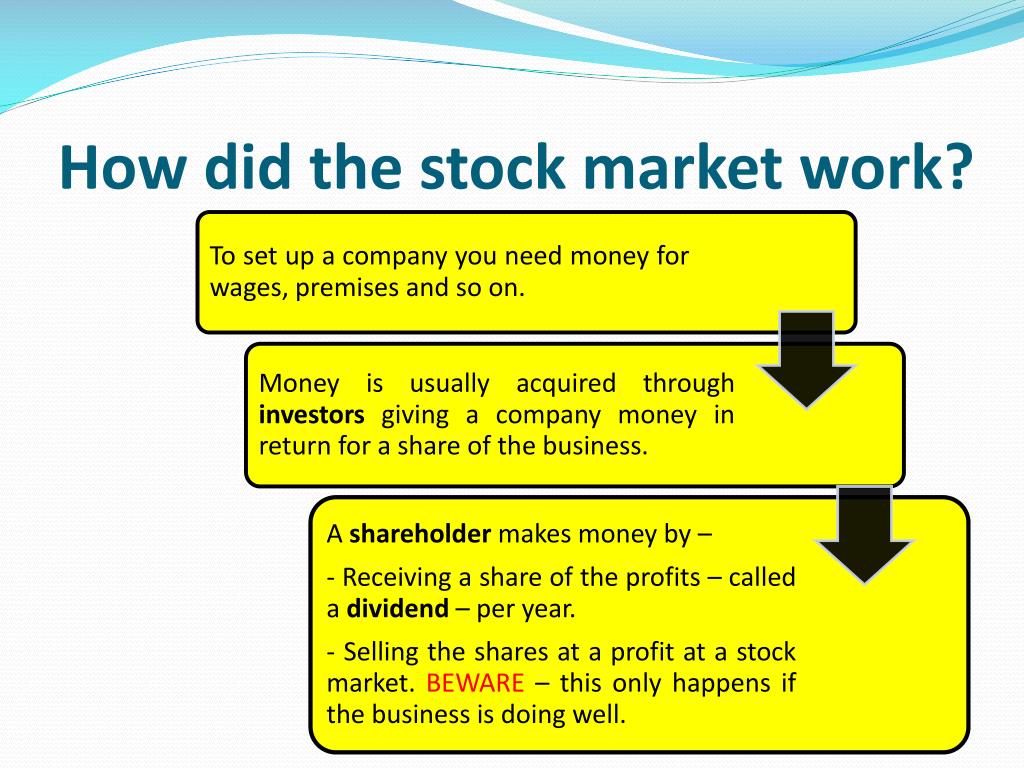
Stocks represent ownership shares in a publicly traded company. When a company “goes public” through an Initial Public Offering (IPO), it sells shares of its ownership to investors. These shares are then traded on stock exchanges.
What Influences Stock Prices?
The price of a stock is determined by supply and demand. Here are some key factors that influence stock prices:
- Company Performance: If a company performs well, its stock price tends to rise. Strong earnings, innovation, and expanding market share all contribute to a company’s value.
- Industry Trends: Industry-wide trends, such as increased demand for a particular product or service, can also impact stock prices.
- Economic Factors: Broad economic conditions, like interest rates, inflation, and unemployment, can also play a role in stock prices.
- Investor Sentiment: Investors’ overall sentiment towards a company or the market can influence stock prices.
Types of Stocks: A Look at Different Investment Options
There are several different types of stocks available to investors, each with its own characteristics and risks:
- Common Stock: The most common type of stock, offering voting rights and potential dividend payments.
- Preferred Stock: A type of stock that pays a fixed dividend and has priority over common stockholders in the event of a company’s liquidation.
- Growth Stocks: Stocks of companies that are expected to grow at a rapid pace, often with higher risk but also higher potential returns.
- Value Stocks: Stocks of companies that are undervalued by the market and have potential for future growth.
- Dividend Stocks: Stocks of companies that pay regular dividends to their shareholders.
Learn more about Forget Google, AI is the New Search King
Understanding Trading: The Mechanics of Buying and Selling Stocks
How to Buy and Sell Stocks: A Step-by-Step Guide
Here’s a simplified guide to buying and selling stocks:
- Open a Brokerage Account: You’ll need to open an account with a brokerage firm. Learn more about Choosing a Broker: Finding the Right Partner – investopedia.com
- Fund Your Account: Deposit money into your brokerage account so you have funds to make purchases.
- Research and Choose Stocks: Do your research to identify stocks that align with your investment goals and risk tolerance. Learn more about How to Invest in Stocks – investopedia.com
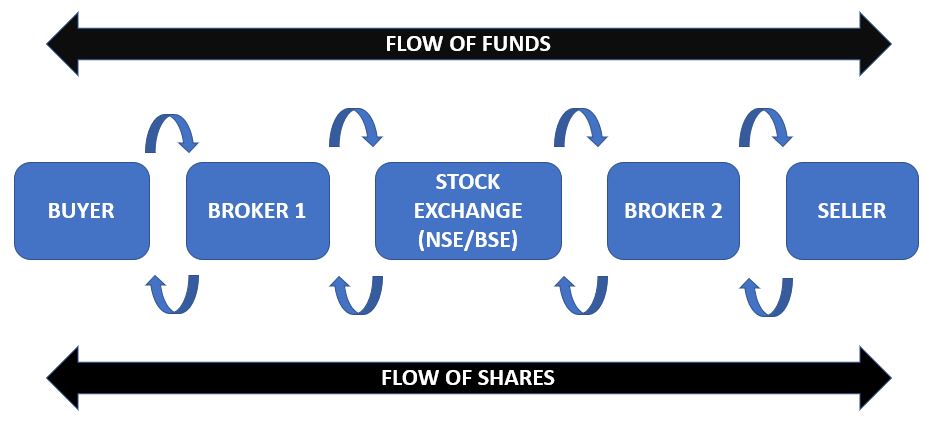
- Place Your Order: Once you’ve selected a stock, place an order to buy or sell shares.
- Execute Your Trade: Your broker will execute the trade based on your order instructions.
Key Terms: Navigating the Jargon
The world of investing is full of jargon. Here are some common terms you’ll encounter:
- Bull Market: A market characterized by rising stock prices and optimism.
- Bear Market: A market characterized by falling stock prices and pessimism.
- Day Trading: Buying and selling stocks within the same trading day, often taking advantage of short-term price fluctuations.
- Volatility: The degree of price fluctuation in a market.
- Market Cap: The total value of a company’s outstanding shares.
Trading Strategies: Approaches to Maximizing Returns
There are several different trading strategies you can use, depending on your investment goals and risk tolerance. Some popular strategies include:
- Buy-and-Hold: A long-term investment strategy that involves buying stocks and holding them for an extended period.
- Growth Investing: Focusing on companies that are expected to grow rapidly.
- Value Investing: Seeking out undervalued companies with potential for future growth.
- Dividend Investing: Investing in stocks that pay regular dividends.
- Technical Analysis: Using charts and data to predict future stock price movements.
Learn more about How the Stock Market Works: Unveiling the Magic
Managing Your Investments: Strategies for Success
Diversification: Spreading Risk Across Different Assets
Diversification is one of the most important principles of successful investing. It’s the idea of spreading your investments across a range of different asset classes (stocks, bonds, real estate, etc.) to reduce your overall risk.
Investing vs. Trading: Long-Term vs. Short-Term Strategies
- Investing: A long-term approach, focusing on building wealth over time. Investors typically hold stocks for several years or even decades.
- Trading: A short-term approach, aiming to profit from short-term price fluctuations. Traders may hold stocks for a few minutes, hours, or days.
Understanding Risk Tolerance: Assessing Your Comfort Level
Risk tolerance refers to your ability and willingness to accept risk in your investments. It’s crucial to understand your own risk tolerance before making any investment decisions.
- High-Risk Tolerance: You are comfortable with potentially higher returns and are willing to accept greater volatility in your investments.
- Low-Risk Tolerance: You prefer lower returns and are less tolerant of volatility.
Learn more about How to Invest in the Stock Market
The Future of Investing: The Impact of Technology on the Stock Market
The Role of Artificial Intelligence in Investment Decisions
AI is increasingly being used to analyze financial data, identify trends, and make investment recommendations.
- Algorithmic Trading: AI algorithms can execute trades automatically based on pre-defined rules and data analysis.
- Portfolio Management: AI-powered portfolio managers can help investors optimize their portfolios for risk and return.
Digital Trading Platforms: A Revolution in Accessibility
Digital trading platforms have made it easier and more affordable than ever to invest in the stock market.
- Online Brokerage Accounts: Platforms like TD Ameritrade, Fidelity, and E*TRADE (Learn more about Trading Platforms: A Comparison of Popular Options – investopedia.com) provide tools for research, trading, and portfolio management.
- Mobile Apps: Many brokerage platforms have mobile apps that allow investors to monitor their portfolios and execute trades on the go.
The Growing Influence of Cryptocurrencies: A New Era of Investment
Cryptocurrencies, like Bitcoin and Ethereum, have emerged as a new asset class, offering both potential rewards and risks.
- Decentralized Finance (DeFi): The emergence of DeFi has created new opportunities for investing in cryptocurrencies.
Learn more about What Is Marketing Research? Your Ultimate Guide to Understanding the Market
Getting Started: Steps to Take Your First Steps into the Stock Market
Choosing a Broker: Finding the Right Partner
The first step in investing is choosing a reputable brokerage firm.
- Research Brokerage Fees: Compare the fees charged by different brokers.
- Consider Trading Platform Features: Look for a platform that offers tools for research, trading, and portfolio management.
- Customer Support: Choose a broker with excellent customer support and educational resources.
Opening an Account:
Once you’ve chosen a broker, you’ll need to open an account.
- Provide Personal Information: You’ll need to provide personal information, such as your Social Security number and address.
- Fund Your Account: Deposit money into your brokerage account to make your first investments.
Researching Investments:
Before you start buying stocks, it’s essential to conduct thorough research.
- Company Fundamentals: Analyze a company’s financial statements, including its balance sheet, income statement, and cash flow statement.
- Industry Trends: Research the overall industry in which the company operates to understand its growth potential and challenges.
- Market Analysis: Consider the overall market conditions, including interest rates, inflation, and economic growth.
Learn more about What Time Does the Stock Market Close? A Guide for Investors
Wrap-Up: The Stock Market: A Journey of Learning and Growth
The stock market is a dynamic and exciting realm that offers a wide range of opportunities for investors of all levels. Remember, investing is a journey, not a destination. It’s important to approach it with a long-term mindset, to diversify your investments, and to stay informed about market trends.
Whether you’re a seasoned investor or just starting out, there are resources available to help you navigate the world of stocks.
With careful planning, research, and a willingness to learn, you can make sound investment decisions and achieve your financial goals.