When to Buy Gold:
- Economic Uncertainty: Gold is often seen as a safe haven asset during periods of economic turmoil, such as recessions or financial crises.
- High Inflation: Gold tends to perform well when inflation is high, as its value typically rises to protect against currency devaluation.
- Weak Dollar: A weaker US dollar makes gold more affordable to purchase in other currencies, increasing demand.
- Political Instability: Geopolitical events and social unrest can lead to increased demand for gold as a safe-haven asset.
- Supply Shortages: Disruptions in gold mining or production can reduce supply, leading to price increases.
When to Sell Gold:
- Economic Stability: When economic conditions improve and uncertainty decreases, demand for gold as a safe haven may decline, leading to lower prices.
- Low Inflation: When inflation is low or stable, gold’s value may not rise as significantly, reducing its appeal as an investment.
- Strong Dollar: A strengthening US dollar makes gold more expensive for buyers in other currencies, potentially reducing demand.
- Profit-Taking: Investors may sell gold to realize profits after a significant price increase.
- Alternative Investments: When more attractive investment opportunities arise, such as stocks or bonds with higher potential returns, investors may sell gold to allocate funds elsewhere.
Additional Tips for Timing the Market:
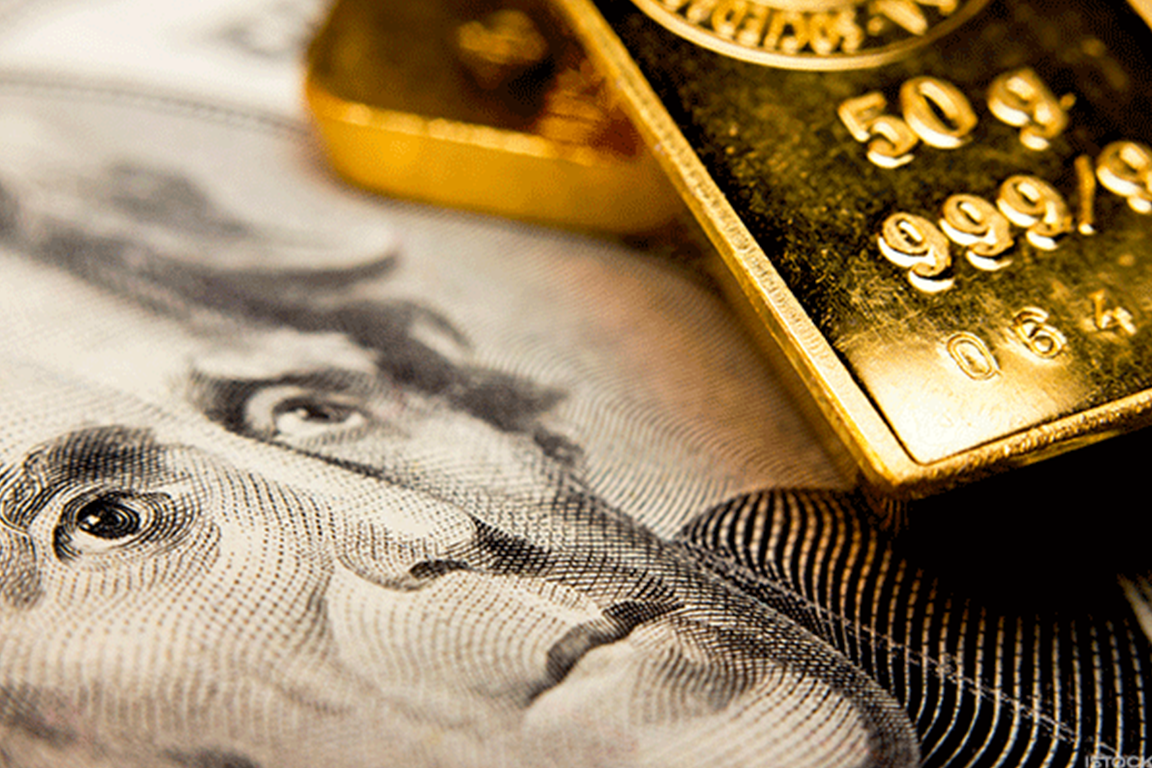
- Technical Analysis: Use technical indicators and chart patterns to identify potential buy and sell signals.
- Fundamental Analysis: Consider economic and political factors that may influence gold’s price.
- Market Sentiment: Monitor market sentiment and sentiment indicators to gauge the overall mood towards gold.
- Dollar-Cost Averaging: Invest in gold gradually over time to reduce the impact of market volatility.
- Avoid Panic Selling: Do not sell gold prematurely out of fear of a price decline. Wait for confirmation of a sustained downward trend.
Important Note:
Timing the gold market can be challenging, and there is no guarantee of success. Investors should conduct thorough research, consider their own investment objectives and risk tolerance, and consult with a financial professional before making any investment decisions.Timing The Market: When To Buy And Sell Gold
Executive Summary
Gold has been a safe haven (sichere Hafen) asset for centuries, and in recent years, its price has been on a bull run (Bullenmarkt). However, as with any investment, timing the market (den Markt zeitlich abstimmen) is key to maximizing returns. In this article, we will discuss the factors that affect the price of gold and provide some tips on how to time the market.
Introduction
Gold has long been considered a safe haven asset, and in times of economic uncertainty, its price often rises. Investors turn to gold as a way to protect their capital (Kapital). However, the price of gold is not immune to fluctuations, and it is possible to lose money if you buy at the wrong time.
FAQs
-
What factors affect the price of gold?
The price of gold is affected by a number of factors, including:
- The value of the US dollar
- Interest rates
- Economic growth
- Supply and demand
- Geopolitical events
-
When is the best time to buy gold?
The best time to buy gold is when the price is low. However, it is important to remember that the price of gold is volatile, and it can fluctuate quickly. It is important to do your research and understand the factors that affect the price of gold before making a decision.
-
How can I time the market to buy and sell gold?
There are a number of ways to time the market to buy and sell gold. One way is to use technical analysis (technische Analyse), which involves looking at historical price data to identify trends and patterns. Another way to time the market is to use fundamental analysis (Fundamentalanalyse), which involves analyzing the underlying economic factors that affect the price of gold.
Subtopics
The Value of the US Dollar
The value of the US dollar has a significant impact on the price of gold. When the dollar is strong, the price of gold tends to be lower. This is because gold is priced in US dollars, so when the dollar is strong, it takes more dollars to buy an ounce of gold.
Interest Rates
Interest rates also affect the price of gold. When interest rates are low, the price of gold tends to be higher. This is because gold is a non-yielding asset, so when interest rates are low, there is less opportunity cost to holding gold.
Economic Growth
Economic growth also affects the price of gold. When the economy is growing, the price of gold tends to be lower. This is because the economy is growing, and there is less uncertainty, which makes gold less attractive as a safe haven asset.
Supply and Demand
Supply and demand also play a role in determining the price of gold. When there is more demand for gold than there is supply, the price of gold tends to be higher. Conversely, when there is more supply of gold than there is demand, the price of gold tends to be lower.
Geopolitical Events
Geopolitical events can also affect the price of gold. When there is uncertainty in the world, the price of gold tends to be higher. This is because gold is a safe haven asset, and investors turn to gold as a way to protect their capital.
Conclusion
The price of gold is complex and is influenced by a number of factors. However, by understanding the factors that affect the price of gold and by using technical and fundamental analysis, it is possible to time the market to buy and sell gold.
Keyword Tags
- Gold
- Timing the market
- Price of gold
- Investment
- Safe haven asset