

Factors to Consider When Choosing Between Gold Bars and Coins:
1. Investment Goals:

- Gold Bars: Typically purchased for long-term investments and as a hedge against inflation.
- Gold Coins: Can serve as both investments and collectibles, with numismatic value influencing their price.
2. Liquidity:
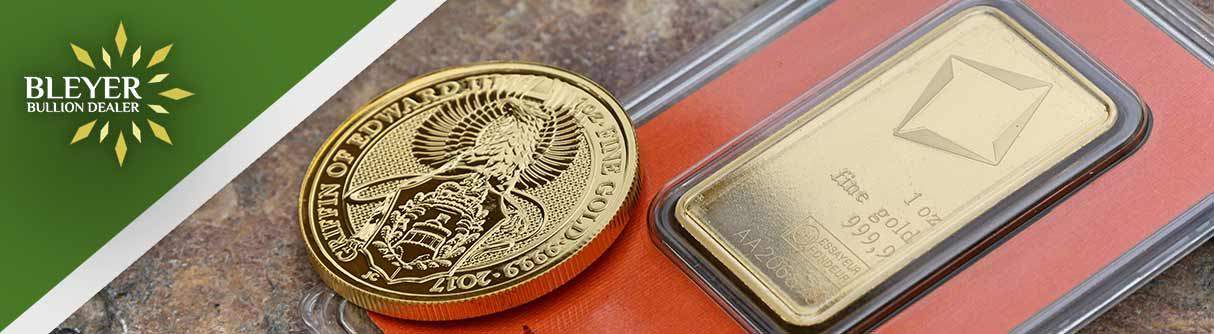
- Gold Bars: Easier to sell and trade in large quantities.
- Gold Coins: May be less liquid than bars, especially if they have collectible value.
3. Storage:
- Gold Bars: Can be stored in standard safes or vaults.
- Gold Coins: Require special storage and handling to preserve their condition.
4. Size and Denominations:
- Gold Bars: Available in various sizes, from 1 gram to 1 kilogram or more.
- Gold Coins: Come in standard denominations (e.g., 1 ounce, 1/2 ounce, 1/4 ounce) and can have fractional denominations (e.g., 1/10 ounce).
5. Premium:
- Gold Bars: Typically carry a lower premium (markup over spot gold) than coins.
- Gold Coins: May command a higher premium due to their collectible value, design, and rarity.
6. Fraud and Counterfeiting:
- Gold Bars: Certified by reputable assayers with a high level of security.
- Gold Coins: Can be more susceptible to counterfeiting, so it’s crucial to purchase from trusted sources.
7. Collectibility and Historical Value:
- Gold Bars: Primarily viewed as investments rather than collectibles.
- Gold Coins: Can have significant numismatic value based on their age, rarity, and historical significance.
Choosing Between Bars and Coins:
- Long-Term Investment with High Liquidity: Gold bars are a good choice.
- Diversification with Collectible Value: Gold coins can provide diversification and potential numismatic appreciation.
- Short-Term Investment or Smaller Purchases: Gold coins in smaller denominations may be suitable.
- Gift or Special Occasion: Gold coins can be a meaningful and valuable gift with collectible potential.
Conclusion:
Choosing between gold bars and coins depends on individual investment goals, liquidity preferences, and the desired level of collectibility. Both options offer a way to invest in physical gold, but the specific choice should align with the investor’s unique circumstances and objectives.Navigating The Market: How To Choose Between Gold Bars And Coins
Executive Summary
Goldbarren oder Münzen? Für Anleger, die ihr Portfolio diversifizieren möchten, ist die Wahl zwischen Goldbarren und Münzen eine wichtige Entscheidung. Beide Optionen bieten Vor- und Nachteile, die sorgfältig abgewogen werden sollten, um die beste Anlageentscheidung zu treffen.
Introduction
Gold has been a safe-haven asset for centuries, offering investors a hedge against inflation and economic uncertainty. Today, there are two primary ways to invest in physical gold: gold bars or coins. While both offer exposure to the gold market, they differ in several key aspects. Understanding these differences is crucial for making an informed decision about which option aligns best with your investment goals.
FAQs
What’s the difference between a gold bar and a gold coin?
Gold bars are typically rectangular and contain a larger amount of gold than coins. They are primarily used by large investors or institutions looking for a high concentration of gold in a single purchase. Gold coins, on the other hand, are smaller, round, and often have a numismatic (collector) value, making them popular with both investors and collectors.
Which is more expensive, gold bars or coins?
Gold bars tend to be less expensive per ounce of gold than coins. This is because coins carry a premium due to their numismatic value and the additional costs associated with minting and distribution.
Is it better to invest in gold bars or coins?
The best choice between gold bars and coins depends on your investment goals. If you’re primarily interested in the highest possible gold content at the lowest cost, gold bars are a better option. If you’re also interested in numismatic value or prefer the convenience of smaller, more liquid units, gold coins may be a more suitable choice.
Gold Bars
Description: Gold bars are typically rectangular and come in various sizes, from one ounce to several kilograms. They are usually made of pure gold (99.5% or higher) and are stamped with their weight, purity, and manufacturer’s information.
Important Considerations:
- Purity: Gold bars should be purchased from reputable dealers who guarantee the purity of the gold.
- Size: Consider the size of the gold bar based on your investment goals and liquidity needs.
- Storage: Gold bars require secure storage, either in a safe or with a custodian.
- Liquidity: Gold bars are less liquid than coins, making them less suitable for quick sales.
- Numismatic value: Gold bars do not typically carry numismatic value.
Gold Coins
Description: Gold coins are round and come in various sizes, denominations, and designs. They are often made of high-purity gold (99.9% or higher) and feature unique imagery or historical significance.
Important Considerations:
- Purity: Gold coins should be purchased from reputable dealers who guarantee their authenticity and purity.
- Denomination: Gold coins are available in denominations from one gram to one ounce or more.
- Numismatic value: Gold coins with historical, rarity, or artistic significance have numismatic value, which can enhance their worth beyond the spot price of gold.
- Liquidity: Gold coins are more liquid than bars, making them easier to sell quickly.
- Convenience: Gold coins are smaller and more portable than bars, making them convenient for smaller investments or storage.
Conclusion
Choosing between gold bars and coins is a personal decision that should be made based on your specific investment goals and circumstances. For investors seeking the highest gold content at the lowest cost, gold bars are a better option. For those interested in numismatic value, liquidity, or convenience, gold coins may be a more suitable choice. Ultimately, the best choice will depend on your individual preferences and risk tolerance.
Relevant Keyword Tags:
- Gold Anlage
- Goldbarren
- Goldmünzen
- Numismatische Wert
- Anlageentscheidung