
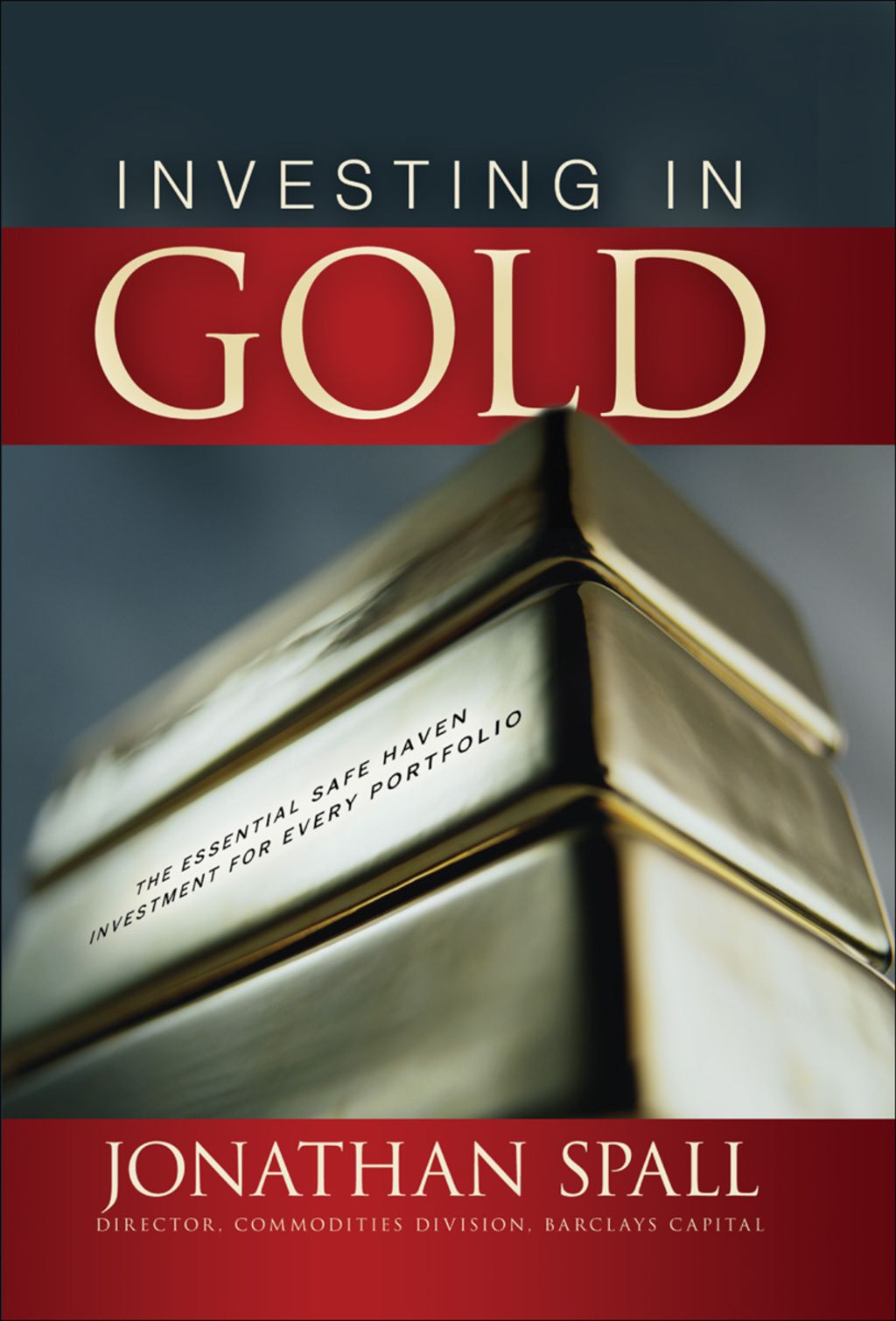
Pros of Gold as a Safe Haven Investment:
- Preserves value during market downturns: Gold’s price often rises when the broader stock and bond markets decline, making it a potential hedge against risk. This is because gold is seen as a safe-haven asset that investors flock to during times of uncertainty.
- Low correlation with other assets: Gold tends to have a low correlation with other investment classes, such as stocks and bonds. This means that it can provide diversification within a portfolio, reducing overall risk.
- Physical asset: Unlike stocks and bonds, gold is a tangible asset that can be held physically. This provides investors with a sense of security and protects them against potential financial system disruptions.
- Long-term store of value: Gold has been used as a currency and store of value for centuries. Its intrinsic value and historical demand make it a reliable long-term investment to protect against inflation and political instability.
- Supply constraints: Gold is a scarce resource with limited supply. This makes it less subject to inflationary pressures and supports its value over time.
Cons of Gold as a Safe Haven Investment:

- Historical volatility: While gold is generally considered a safe haven, its price can still fluctuate significantly over shorter time frames. Investors should be aware of this volatility and avoid buying at market highs.
- Opportunity cost: Gold does not pay dividends or interest, unlike stocks and bonds. This means that investors may miss out on potential income by allocating capital to gold.
- Storage and security costs: Physical gold requires secure storage, which can entail additional costs and risks. Investors may also incur transaction fees when buying and selling gold.
- Geopolitical factors: Gold’s price can be influenced by geopolitical events and economic policies. For example, rising interest rates or government intervention could potentially lower the demand for gold.
- Illiquidity: Physical gold is less liquid than stocks or bonds, making it harder to buy and sell quickly without potentially incurring significant transaction costs.
Conclusion:

Gold can be a valuable addition to a diversified investment portfolio as a safe haven asset. However, investors should be aware of its potential risks and limitations. By carefully considering the pros and cons, investors can make an informed decision about whether gold is an appropriate investment for their individual circumstances and risk tolerance.## Ist Gold eine sichere Anlage? Vor- und Nachteile
Einleitung
Gold wird seit Jahrhunderten als sicherer Hafen angesehen, aber ist es in der heutigen unsicheren Wirtschaftslage immer noch eine kluge Investition? In diesem Artikel untersuchen wir die Vor- und Nachteile von Goldanlagen und helfen Ihnen, eine fundierte Entscheidung zu treffen.
Häufig gestellte Fragen
- Ist Gold eine gute langfristige Anlage? Ja, Gold hat sich historisch als wertbeständig erwiesen und kann dazu beitragen, Ihr Portfolio gegen Inflation und Marktschwankungen zu schützen.
- Wie viel Gold sollte ich besitzen? Es gibt keine allgemeingültige Antwort, aber Experten empfehlen in der Regel, 5-10 % Ihres Portfolios in Gold anzulegen.
- Welche verschiedenen Möglichkeiten gibt es, in Gold zu investieren? Sie können in physisches Gold (Münzen, Barren), Gold-ETFs oder Goldminenaktien investieren.
Vorteile von Goldanlagen
Wertschutz: Gold hat sich im Laufe der Geschichte als wertbeständig erwiesen und kann vor Inflation und Währungsschwankungen schützen.
Sichere Zuflucht: In Zeiten wirtschaftlicher Unsicherheit und geopolitischer Spannungen suchen Anleger oft nach sicheren Anlagen, und Gold ist eine traditionelle Wahl.
Diversifikation: Gold hat eine geringe Korrelation mit anderen Anlageklassen und kann dazu beitragen, Ihr Portfolio zu diversifizieren und das Risiko zu reduzieren.
Keine Gegenparteirisiken: Bei physischen Goldanlagen gibt es keine Gegenparteirisiken, im Gegensatz zu Anlagen wie Anleihen oder Aktien.
Langfristiges Wachstumspotenzial: Obwohl Gold keine Zinsen zahlt, hat es im Laufe der Zeit ein solides Wachstumspotenzial gezeigt.
Nachteile von Goldanlagen
Opportunitätskosten: Gold zahlt keine Zinsen oder Dividenden, sodass Sie potenzielle Gewinne aus anderen Anlageklassen verpassen könnten.
Lagerungskosten: Physisches Gold muss sicher gelagert werden, was mit Kosten verbunden sein kann.
Schwankender Preis: Der Goldpreis kann stark schwanken, was zu Verlusten führen kann.
Nicht liquide: Physisches Gold kann schwieriger zu verkaufen sein als andere Anlageklassen, insbesondere in Zeiten erhöhter Nachfrage.
Steuerliche implications: Gewinne aus dem Verkauf von Gold können steuerpflichtig sein.
Fazit
Die Entscheidung, ob man in Gold investiert oder nicht, ist komplex und hängt von Ihren individuellen Anlagezielen, Ihrem Risikoprofil und Ihrem Zeithorizont ab. Gold kann eine wertvolle Ergänzung Ihres Portfolios sein, aber es ist wichtig, die Vor- und Nachteile sorgfältig abzuwägen, bevor Sie eine Entscheidung treffen.
Keyword-Tags
- Goldanlage
- Sichere Häfen
- Diversifikation
- Inflationsschutz
- Rohstoffe