Cultural Traditions
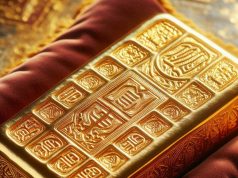
- Symbol of Wealth and Prosperity: Gold’s rarity and inherent value have made it a universal symbol of wealth, abundance, and status. In many cultures, gold was used to adorn royalty, priests, and other high-ranking individuals.
- Decorative and Ornamental Use: Gold’s malleability, ductility, and brilliance have made it a valuable material for creating intricate jewelry, ornaments, and decorative objects. From elaborate crowns to exquisite sculptures, gold has been used to enhance the beauty and opulence of a wide range of cultural artifacts.
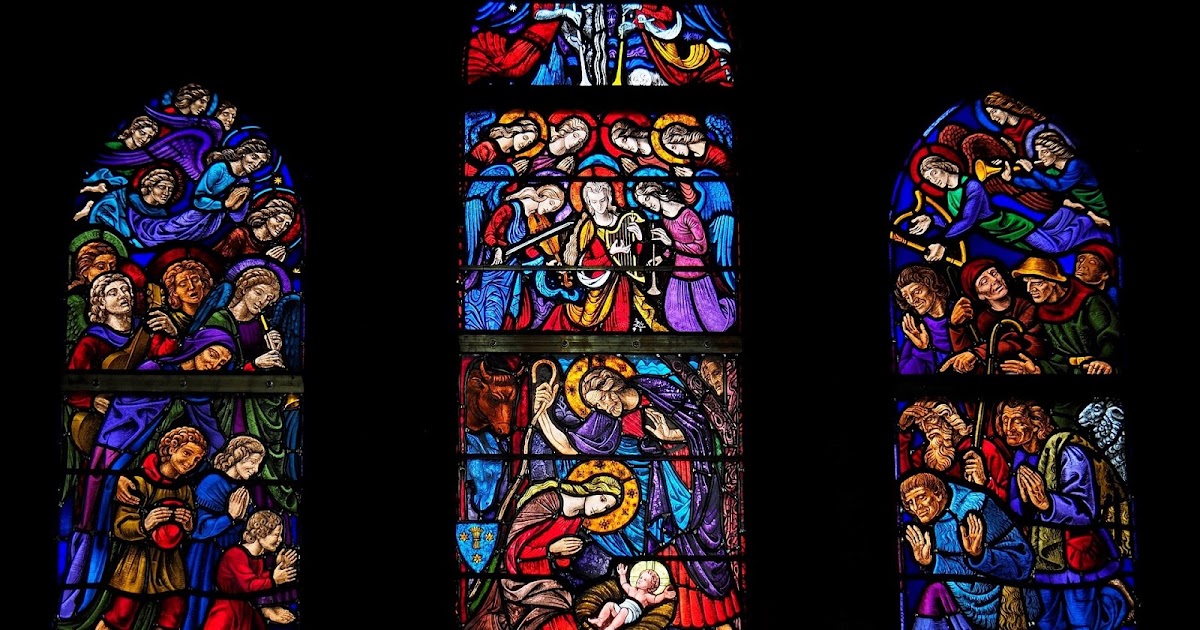
- Ceremonial and Ritualistic Importance: Gold has been incorporated into numerous cultural ceremonies and rituals throughout history. It has been used in weddings, funerals, religious festivals, and other important occasions to signify status, wealth, or divine connection.
Religious Traditions
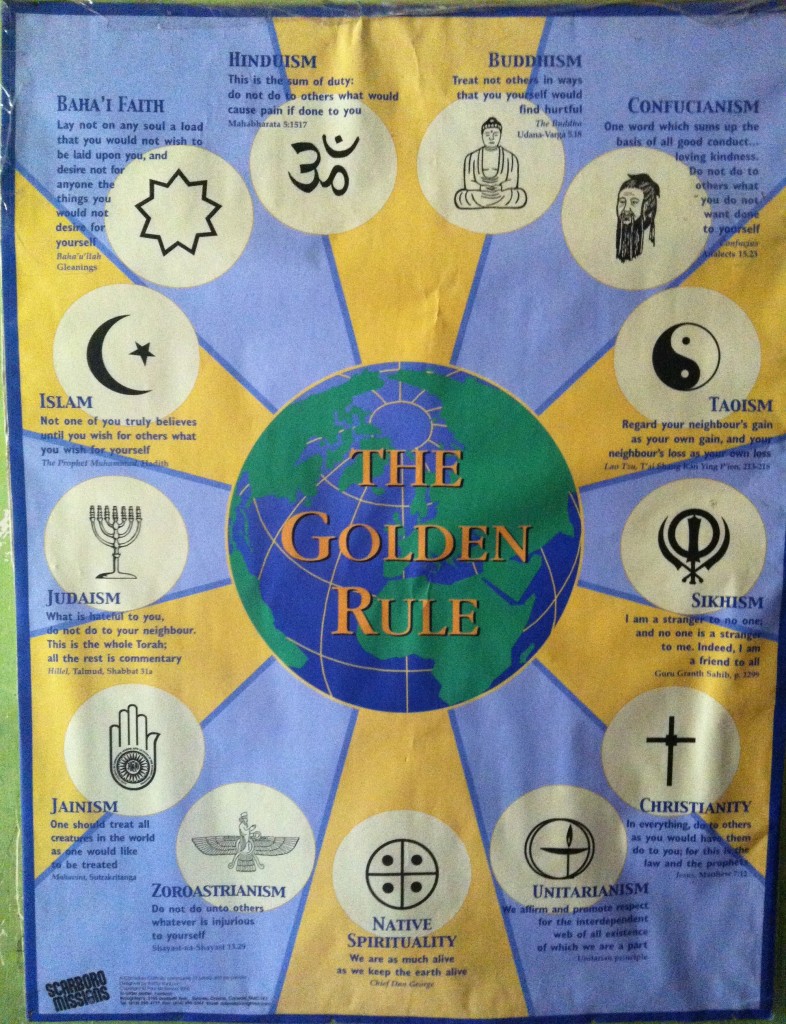
- Symbol of Divinity: In many religions, gold is associated with divine qualities. It represents the purity, radiance, and incorruptibility of the gods. In ancient Egypt, gold was believed to be the flesh of the god Ra.
- Offerings and Sacrifices: Gold has been offered as a symbol of devotion and reverence to deities in various religions. In Hinduism, gold is considered a sacred metal and is often used to make jewelry for idols and offer it as a gift during religious ceremonies.
- Temple and Religious Architecture: Gold has been extensively used in the construction and decoration of religious structures. Buddhist temples in Southeast Asia are adorned with gold leaf, while Hindu temples in India often have golden spires and domes.
- Religious Texts and Artifacts: Gold has been used to inscribe and illuminate religious texts and create sacred objects. The Torah, the Jewish holy book, was written on gold scrolls, and the golden menorah in the Temple of Jerusalem symbolized God’s presence.
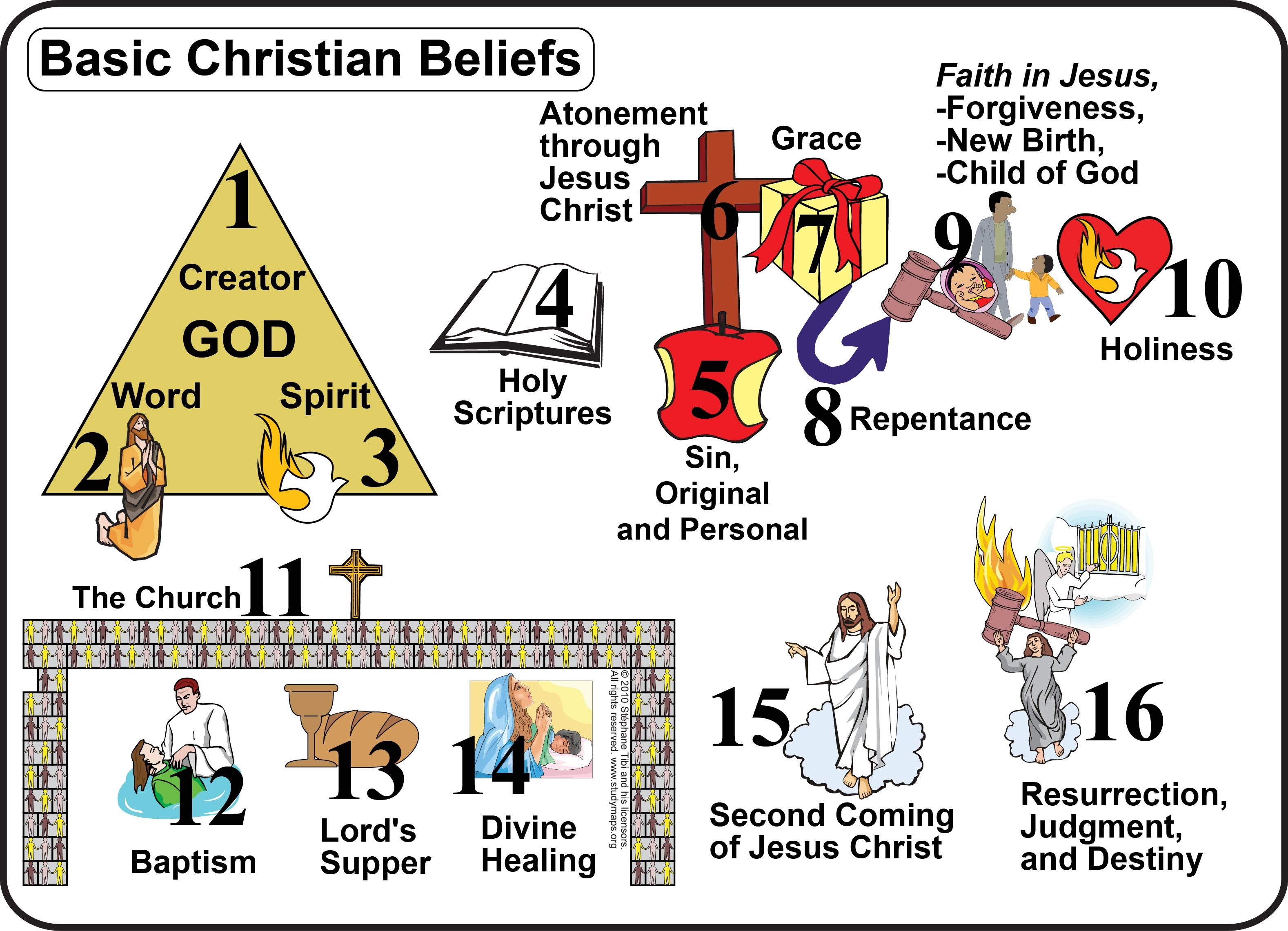
- Religious Symbols and Emblems: Gold has been incorporated into various religious symbols and emblems. The Christian cross is often depicted in gold, representing the divine nature of Jesus Christ. In Sikhism, the Golden Temple in Amritsar is a central place of worship and pilgrimage.
Additional Roles:
- Currency and Investment: Gold has been used as a form of currency and investment throughout history. Its value and durability have made it a stable store of wealth.
- Medicine and Health: Gold compounds have been used in traditional medicine to treat various ailments. In modern medicine, gold salts are used to treat arthritis and other autoimmune disorders.
- Dentistry: Gold is used in dentistry to create fillings and crowns due to its biocompatibility, strength, and durability.
- Jewelry: Gold is one of the most popular materials for making jewelry worldwide. Its beauty, value, and versatility have made it a timeless and cherished adornment.Die Rolle von Gold in kulturellen und religiösen Traditionen
Zusammenfassung
Gold ist ein Metall von großer Bedeutung in verschiedenen Kulturen und Religionen auf der ganzen Welt. Seine einzigartige Kombination aus ästhetischen und praktischen Eigenschaften hat es zu einem wertvollen Gut gemacht, das in Schmuck, Münzen und religiösen Gegenständen verwendet wird. In diesem Artikel untersuchen wir die Rolle von Gold in kulturellen und religiösen Traditionen, wobei wir seine symbolische Bedeutung, seine wirtschaftliche Bedeutung und seine Verwendung in Kunst und Architektur betrachten.
Einführung
Gold ist seit Jahrhunderten ein faszinierendes Metall, das in vielen Kulturen eine zentrale Rolle spielt. Seine Schönheit, Seltenheit und Unvergänglichkeit haben es zu einem Symbol für Macht, Reichtum und spirituellen Wert gemacht. In diesem Artikel erkunden wir die Rolle von Gold in verschiedenen kulturellen und religiösen Traditionen und beleuchten die tief verwurzelten Bedeutungen, die es seit langem hat.
Häufig gestellte Fragen
- Welche Farbe hat Gold?
- Gelb
- Welches Symbol hat Gold?
- Reichtum und Wohlstand
- In welcher Religion ist Gold wichtig?
- In vielen Religionen, darunter Hinduismus, Buddhismus und Christentum
Top 5 Unterthemen
Gold in der Mythologie und Legende
- Symbol für Macht und Reichtum
- Assoziiert mit Göttern und Königen
- Verwendet in Mythen und Legenden
- Beispiel: Midas, der alles, was er berührte, in Gold verwandelte
- Beispiel: Der Goldene Kelch, der vom Heiligen Gral inspiriert sein soll
Gold in der Kunst und Architektur
- Verwendet in Schmuck, Statuen und Gemälden
- Symbol für Status und Wohlstand
- Verwendet in religiösen Gebäuden
- Beispiel: Der Goldene Thron im Buckingham Palace
- Beispiel: Die Goldene Kuppel des Taj Mahal
Gold in der Wirtschaft
- Wertvoller Rohstoff
- Verwendet als Währung
- Symbol für wirtschaftliche Stabilität
- Beispiel: Der Goldstandard
- Beispiel: Goldreserven von Zentralbanken
Gold in der Religion
- Wichtiges Symbol in vielen Religionen
- Repräsentiert Gottheiten und heilige Gegenstände
- Verwendet in Ritualen und Zeremonien
- Beispiel: Die goldene Menora im Judentum
- Beispiel: Die vergoldeten Buddhas in Thailand
Gold in Schmuck
- Populäre Wahl für Schmuck
- Symbol für Status, Schönheit und Eleganz
- Verwendet in einer Vielzahl von Formen und Designs
- Beispiel: Goldringe
- Beispiel: Goldketten
Schlussfolgerung
Gold hat eine reiche und vielfältige Geschichte in kulturellen und religiösen Traditionen auf der ganzen Welt. Seine symbolische Bedeutung, wirtschaftliche Bedeutung und Verwendung in Kunst und Architektur haben es zu einem Metall von großer Bedeutung gemacht. Von der Mythologie bis zur Religion hat Gold die menschliche Vorstellungskraft inspiriert und bleibt ein wertvolles Gut, das in verschiedenen Formen und Kontexten geschätzt wird.
Schlagwörter
- Gold
- Kultur
- Religion
- Mythologie
- Wirtschaft