
What Is Money Market
In the world of finance, the term “money market” is often thrown around, but what exactly does it mean? In this article, we will delve into the intricacies of the money market, exploring its definition, functions, and importance in the financial world.
Understanding the Money Market
The money market refers to a segment of the financial market where short-term borrowing and lending of funds take place. It deals with highly liquid assets that have a maturity period of one year or less. Participants in the money market include banks, financial institutions, corporations, and government entities.
Functions of the Money Market
- Facilitates Short-Term Borrowing and Lending: One of the primary functions of the money market is to provide a platform for short-term funds to be borrowed and lent. This helps in meeting the short-term liquidity needs of various entities.
- Price Discovery: The money market plays a crucial role in determining the interest rates for short-term funds based on supply and demand dynamics.
- Risk Management: Participants in the money market use various instruments such as Treasury bills, commercial paper, and certificates of deposit to manage their short-term funding requirements and mitigate risks.
- Liquidity Management: The money market offers high liquidity, allowing participants to easily convert their assets into cash without significant price fluctuations.
Importance of the Money Market
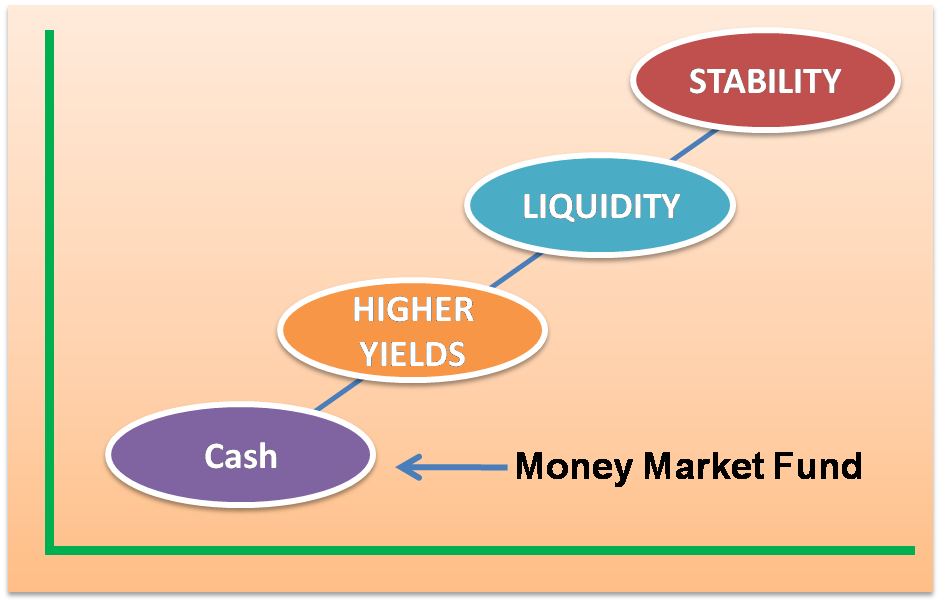
The money market serves as a vital component of the overall financial system. It provides stability, efficiency, and liquidity to the economy by facilitating short-term funding and investment opportunities. Additionally, the money market acts as a barometer for the overall health of the financial markets.
FAQ:
1. What is the Money Market? The money market is a segment of the financial market where short-term borrowing and lending of funds take place. It deals with highly liquid, low-risk securities that have maturities typically ranging from overnight to one year. Participants in the money market include banks, financial institutions, corporations, governments, and other entities looking to manage their short-term cash needs.
2. How does the Money Market work? In the money market, participants can invest in various instruments such as Treasury bills, commercial paper, certificates of deposit, and repurchase agreements. These instruments are considered safe investments because they are backed by high-quality assets and have short maturities, reducing the risk of default. Investors can earn returns on their investments through interest payments or discounts on the purchase price of the securities.
3. What are the benefits of investing in the Money Market? Investing in the money market offers several benefits, including liquidity, safety, and competitive returns. Money market securities are highly liquid, meaning investors can easily buy and sell them at any time. They also provide a safe haven for investors seeking to preserve capital and minimize risk. Additionally, money market investments typically offer higher returns than traditional savings accounts or CDs, making them an attractive option for short-term cash management.
4. What are the risks associated with the Money Market? While the money market is generally considered a low-risk investment option, there are still some risks to be aware of. One of the main risks is interest rate risk, which can affect the value of money market securities when interest rates fluctuate. In addition, there is a small risk of default, although this is rare for high-quality money market instruments. It’s important for investors to carefully evaluate the creditworthiness of issuers and diversify their investments to mitigate these risks.
5. How can individuals participate in the Money Market? Individual investors can access the money market through money market mutual funds, which pool together funds from multiple investors to invest in a diversified portfolio of money market securities. These funds offer easy access to the money market and provide professional management of the portfolio. Alternatively, individuals can invest directly in money market instruments through brokerage accounts or online platforms that offer access to a range of money market products.
Conclusion
In conclusion, the money market is a critical aspect of the financial landscape, playing a key role in short-term borrowing, lending, price discovery, risk management, and liquidity provision. Understanding the functions and importance of the money market is essential for investors, financial institutions, and policymakers to make informed decisions and navigate the complexities of the financial world.