
Achia.eu – What Is Marketing Research. In the ever-evolving world of business, understanding your customers and the market you operate in is paramount. It’s like a chef tasting their creation before serving it—you wouldn’t want to serve a dish without knowing if it’s seasoned well, would you?
That’s where marketing research steps in. It’s the secret ingredient that helps businesses make informed decisions, develop winning strategies, and stay ahead of the curve. But what exactly is marketing research? And why should you, as a business owner, marketer, or curious individual, care about it? Let’s dive in and uncover the magic behind this essential business tool.
Marketing Research: The X-Ray Vision for Your Business
At its core, marketing research is the systematic process of gathering, analyzing, and interpreting information about your target market, customers, competitors, and the industry as a whole. It’s like having x-ray vision that allows you to see beneath the surface and gain a deeper understanding of the forces at play.
This information can be used to:
- Identify and define target markets: Who are your ideal customers? What are their needs, wants, and preferences? Marketing research helps you paint a detailed picture of your target audience so you can tailor your products, services, and marketing messages accordingly.
- Assess market opportunities and threats: What are the emerging trends in your industry? Who are your competitors, and what are they up to? Marketing research helps you identify potential opportunities for growth and areas where you need to stay vigilant.
- Evaluate the effectiveness of marketing campaigns: Are your marketing efforts hitting the mark? Are you reaching the right people with the right message? Marketing research helps you measure the impact of your campaigns and make data-driven adjustments to improve your results.
- Develop new products or services: What kind of products or services are your customers craving? What pain points are they experiencing that you could address? Marketing research helps you generate innovative ideas and validate them before you invest significant resources.
The Many Faces of Marketing Research: Tools and Techniques
Marketing research is a versatile field, encompassing a wide range of tools and techniques. Think of it as a Swiss Army knife for marketers, with each tool serving a specific purpose.
Here are some of the most common marketing research methods:
- Surveys: These are questionnaires designed to gather information from a large group of people. Surveys can be conducted online, by phone, or in person, and they can be used to measure customer satisfaction, brand awareness, or purchase intent.
- Focus Groups: These are small group discussions facilitated by a moderator. Focus groups provide valuable insights into customer attitudes, opinions, and motivations.
- Interviews: One-on-one conversations with customers or industry experts can provide in-depth qualitative data. Interviews are often used to explore complex topics or gather feedback on specific products or services.
- Observational Research: This involves observing consumer behavior in natural settings, such as stores or online. Observational research can reveal valuable insights into how people interact with products and make purchasing decisions.
- Experiments: These are controlled tests designed to measure the impact of specific marketing variables, such as pricing or advertising. Experiments can help you determine the most effective strategies for your business.
The Data-Driven Advantage: Why Marketing Research Matters
In today’s data-driven world, gut feelings and intuition are no longer enough. Businesses need hard data to make informed decisions and stay competitive. Marketing research provides that data, allowing you to base your decisions on solid evidence rather than guesswork.
With the help of marketing research, you can:
- Understand Your Customers: Get inside the minds of your target audience and uncover their needs, desires, and pain points.
- Identify Market Trends: Stay ahead of the curve by identifying emerging trends and shifts in consumer behavior.
- Make Informed Decisions: Base your marketing and business decisions on solid data, not just hunches.
- Reduce Risk: Test new product or service ideas before you invest significant resources.
- Maximize ROI: Optimize your marketing campaigns for maximum impact and return on investment.
- Build Stronger Relationships: Develop a deeper understanding of your customers and tailor your communications to resonate with them on a personal level.
Types of Marketing Research: A Closer Look
Think of marketing research as a toolbox, each tool designed for a specific purpose. There are two main types of research you’ll come across:
- Primary Research: This is where you roll up your sleeves and gather fresh, firsthand data directly from the source. It’s like being a detective, interviewing suspects (your customers) and collecting clues (data) to solve the mystery (your marketing challenges). This can involve surveys, focus groups, interviews, and observational studies.
- Secondary Research: This is where you put on your librarian hat and delve into existing data collected by others. This could be industry reports, government publications, academic studies, or even your company’s own sales records. It’s a treasure trove of information that can save you time and money, but it’s important to critically evaluate the source and relevance of the data.
The Marketing Research Process: A Step-by-Step Guide
Now that you know the types of marketing research, let’s walk through the steps involved in conducting a research project:
1. Define the Problem
The first step is to identify the problem you want to solve or the question you want to answer. Are you trying to understand why sales are declining? Or perhaps you’re looking to launch a new product and need to gauge consumer interest? A clear problem statement is crucial for guiding your research efforts.
2. Develop a Research Plan
This involves outlining the specific objectives of your research, determining your target audience, and selecting the most appropriate research methods. This is where you decide whether you need primary or secondary research, or a combination of both.
3. Collect Data
This is where you put your plan into action and start gathering data. If you’re conducting primary research, you might design a survey, recruit participants for a focus group, or conduct interviews. If you’re using secondary research, you’ll need to identify relevant sources and extract the information you need.
4. Analyze Data
Once you’ve collected your data, it’s time to make sense of it. This involves cleaning and organizing the data, then using statistical or qualitative analysis techniques to identify patterns, trends, and insights.
5. Interpret and Report Findings
The final step is to interpret your findings and present them in a clear, concise, and actionable report. This report should summarize your research objectives, methods, findings, and recommendations. It should also be tailored to your audience, whether that’s your boss, your team, or your clients.
The Future of Marketing Research: Embracing AI and Automation
The marketing research landscape is constantly evolving, and new technologies are emerging that are revolutionizing the way businesses gather and analyze data.
Artificial intelligence (AI) and machine learning are playing an increasingly important role in marketing research. AI-powered tools can analyze vast amounts of data quickly and efficiently, uncovering insights that humans might miss. They can also automate repetitive tasks, freeing up researchers to focus on more strategic activities.
For example, AI-powered sentiment analysis tools can analyze social media posts, customer reviews, and other unstructured data to gauge consumer sentiment towards your brand or product. This can help you identify potential issues or opportunities for improvement.
Beyond the Basics: Advanced Marketing Research Techniques
While surveys and focus groups are valuable tools, there are also more advanced marketing research techniques that can provide even deeper insights:
- Conjoint Analysis: This method helps you understand how consumers value different product attributes. It can be used to optimize product features, pricing, and packaging.
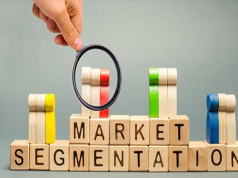
- Market Segmentation: This involves dividing your target market into distinct groups based on shared characteristics, such as demographics or psychographics. Market segmentation allows you to tailor your marketing messages and campaigns to specific customer segments.
- Predictive Analytics: This involves using statistical models and machine learning algorithms to predict future consumer behavior. Predictive analytics can help you identify potential risks and opportunities, and make more informed business decisions.
Real-World Examples: Marketing Research in Action
Let’s bring marketing research to life with a few examples:
- Netflix: The streaming giant uses sophisticated algorithms and data analysis to understand viewer preferences, personalize recommendations, and develop original content that resonates with its audience. This data-driven approach has been key to their phenomenal growth and success.
- Nike: Nike’s “Just Do It” campaign wasn’t just a catchy slogan; it was the result of extensive market research that revealed the brand’s core values and target audience’s aspirations. By tapping into the emotional connection between sports and personal achievement, Nike created a campaign that has become iconic.
- Starbucks: The coffee chain constantly conducts surveys and gathers customer feedback to improve its products, services, and store experience. This customer-centric approach has helped Starbucks maintain its position as a global leader in the coffee industry.
Ethical Considerations: Doing Marketing Research the Right Way
As with any powerful tool, marketing research comes with ethical responsibilities. It’s essential to conduct research in a way that respects the privacy and rights of participants.
This means:
- Obtaining informed consent: Participants should be fully informed about the purpose of the research, how their data will be used, and their right to withdraw at any time.
- Protecting confidentiality: Personal information should be kept confidential and used only for the purposes of the research.
- Avoiding deception: Participants should not be misled about the nature or purpose of the research.
- Providing incentives fairly: If incentives are offered for participation, they should be fair and equitable.
DIY or Delegate? Choosing the Right Approach for Your Business
Now that you understand the power and importance of marketing research, you might be wondering if you should tackle it yourself or hire a professional.
There’s no one-size-fits-all answer, as the best approach depends on your budget, resources, and expertise. If you have the time and skills, you can certainly conduct basic marketing research yourself. However, for more complex projects or if you need specialized expertise, hiring a market research firm can be a wise investment.
The Final Verdict: Your Key to Unlocking Market Success
Marketing research is the compass that guides your business through the ever-changing landscape of consumer behavior, market trends, and competitive forces. It empowers you to make informed decisions, develop winning strategies, and stay ahead of the curve. By harnessing the power of data, you can unlock new opportunities, mitigate risks, and achieve sustainable growth.
So, whether you’re a seasoned marketer, a budding entrepreneur, or simply curious about the world of business, understanding marketing research is essential for success.
Remember, the market is constantly evolving. By staying curious, embracing new technologies, and prioritizing ethical research practices, you can harness the power of marketing research to propel your business forward.
Read More:
- What Is A Market Economy?: Understanding the broader economic context is crucial for interpreting marketing research findings.
- The Impact of Digital Transformation on Corporate Governance: Digital transformation has impacted how businesses collect and use marketing research data.
- 5 Key Questions to Ask About Your Project Management Software: Effective project management is essential for successful marketing research projects.