Diversify to Conquer: Reducing Risk and Growing Wealth
Introduction

In the world of investing, diversification is a cornerstone principle that aims to reduce risk and enhance portfolio performance. By spreading investments across multiple asset classes, industries, and geographies, investors can mitigate the impact of market fluctuations and improve their chances of long-term success.
Strategies for Diversification
1. Asset Allocation:
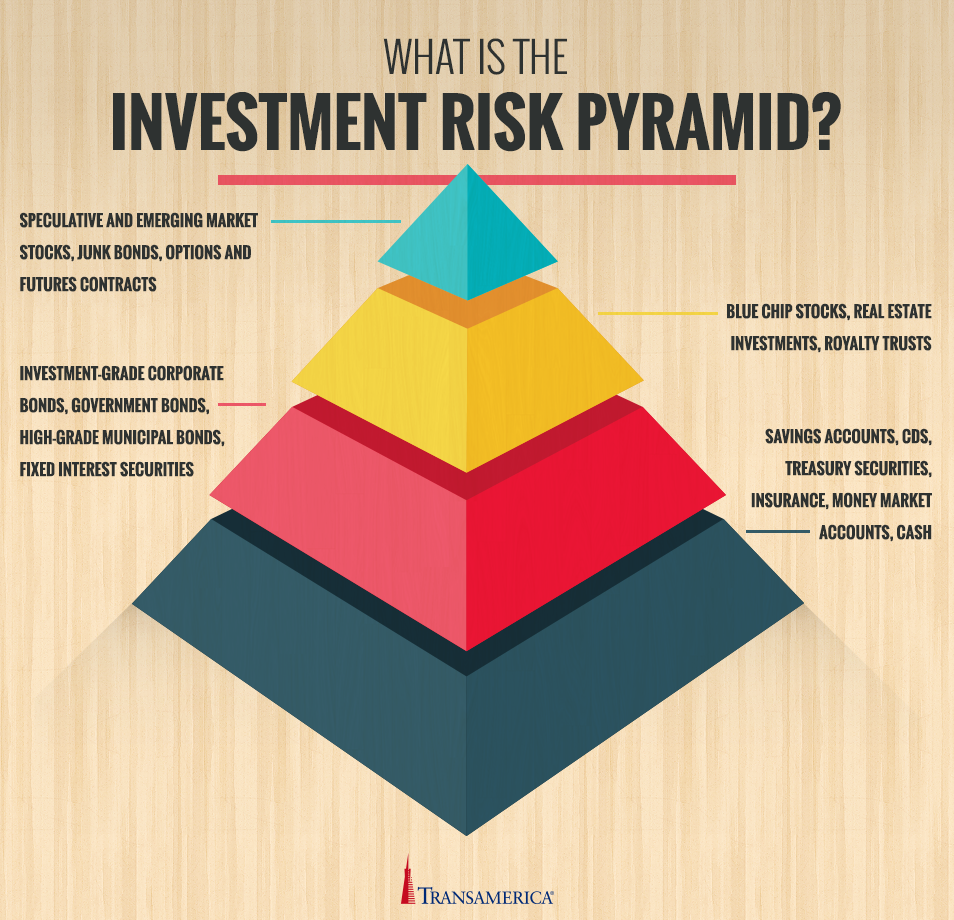
- Divide portfolio into different asset classes such as stocks, bonds, real estate, and commodities.
- Determine an appropriate balance based on risk tolerance, investment horizon, and financial goals.
2. Industry Diversification:
- Invest in companies from various sectors of the economy.
- Avoid concentrating investments in a single industry, reducing exposure to industry-specific risks.
3. Geographical Diversification:
- Include investments from different countries or regions.
- Global diversification provides exposure to different economic growth rates and reduces geopolitical risk.
4. Style Diversification:
- Consider investing in stocks with different investment styles, such as value, growth, or income.
- Different styles perform differently in different market conditions.
5. Alternative Investments:
- Explore investments outside of traditional asset classes, such as hedge funds, private equity, or venture capital.
- Alternative investments can enhance diversification and potentially provide higher returns.
Benefits of Diversification
1. Reduced Risk:
- Diversifying investments spreads risk across multiple sources.
- When one asset class experiences a downturn, others may perform better, offsetting losses.
2. Enhanced Returns:
- By investing in a variety of assets with different risk profiles, investors can potentially increase their overall return.
- While diversification doesn’t guarantee higher returns, it can improve portfolio performance over the long term.
3. Improved Cash Flow:
- Real estate and certain alternative investments provide regular income streams, generating cash flow that can support financial goals.
- Diversification can help ensure a steady flow of income regardless of economic conditions.
4. Reduced Volatility:
- A diversified portfolio tends to exhibit lower volatility than a concentrated portfolio.
- Diversification lessens the impact of market swings, providing investors with greater peace of mind.
5. Protection Against Inflation:
- Some assets, such as commodities and real estate, are considered inflation hedges.
- Diversifying investments into these assets can help protect against the erosive effects of inflation.
Conclusion
Diversifying investments is a proven strategy for reducing risk and growing wealth. By spreading investments across multiple asset classes, industries, geographies, and styles, investors can mitigate portfolio volatility, enhance returns, and improve their financial well-being over the long term. Remember, diversification is an ongoing process that requires regular monitoring and rebalancing to ensure it remains aligned with financial goals and market conditions.## Diversify To Conquer: How To Reduce Risk And Grow Your Wealth
Executive Summary
In the ever-changing financial landscape, diversification is the key to reducing risk and growing your wealth. This comprehensive guide provides a step-by-step approach to diversifying your portfolio, empowering you to make informed decisions and achieve financial success.
Introduction
In the pursuit of financial stability and growth, diversification is an indispensable strategy. By spreading your investments across various asset classes and markets, you can mitigate risk, enhance returns, and secure your financial future. This guide will delve into the intricacies of diversification, providing you with the knowledge and tools necessary to create a resilient and prosperous portfolio.
FAQs
1. What is diversification?
Diversification is a risk management technique that involves investing in a wide range of资产类别und markets.
2. Why is diversification important?
Diversification reduces the risk of losses by spreading your investments across various asset classes that perform differently in different market conditions.
3. How can I diversify my portfolio?
Diversify your portfolio by investing in a mix of stocks, bonds, real estate, and alternative investments such as commodities and private equity.
Top 5 Subtopics
Asset Classes
Asset classes refer to broad categories of investments with distinct characteristics and risk profiles. The main asset classes include:
- Stocks: Represent ownership in companies, offering potential for capital appreciation and dividends.
- Bonds: Loans made to companies or governments, providing fixed income payments over a specified term.
- Real Estate: Physical property that can generate rental income or appreciation value.
- Commodities: Raw materials such as gold, oil, and agricultural products that are traded on exchanges.
- Private Equity: Investments in private companies that are not publicly traded, offering potential for high returns but also higher risk.
Risk Tolerance
Your risk tolerance refers to the level of risk you are comfortable with when investing. Factors such as age, income, and investment goals influence risk tolerance.
- Low Risk Tolerance: Focus on conservative investments such as bonds and real estate.
- Moderate Risk Tolerance: Consider a balanced mix of stocks, bonds, and alternative investments.
- High Risk Tolerance: Allocate a larger portion of your portfolio to stocks and private equity for potential higher returns.
Investment Horizon
Your investment horizon refers to the timeframe over which you plan to hold your investments.
- Short-Term Horizon: Consider highly liquid investments such as cash and short-term bonds.
- Medium-Term Horizon: Focus on a mix of stocks and bonds that provide growth and stability.
- Long-Term Horizon: Invest in assets with higher growth potential, such as stocks and real estate.
Rebalancing
Rebalancing your portfolio involves adjusting the allocation of your investments to maintain your desired risk and return profile. This process ensures that your portfolio stays aligned with your risk tolerance and investment horizon.
- Periodic Rebalancing: Rebalance your portfolio regularly, such as annually or semi-annually.
- Event-Driven Rebalancing: Rebalance when there are significant changes in market conditions or your personal circumstances.
Professional Advice
Consider seeking professional advice from a financial advisor who can help you develop a personalized diversification strategy based on your specific needs and goals.
Conclusion
Diversification is an essential strategy for reducing risk and growing your wealth in the long term. By understanding the principles of diversification, tailoring your portfolio to your risk tolerance and investment horizon, and seeking professional advice when needed, you can create a resilient financial plan that will help you achieve your financial goals.
Keyword Tags
- Diversifikation
- Risikomanagement
- Vermögensaufbau
- Assetklassen
- Anlagehorizont