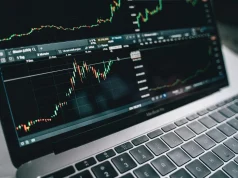

The stock market is a dynamic and ever-changing entity that reflects the overall health of the economy. Investors closely monitor the performance of the stock market to make informed decisions about buying and selling stocks. In this article, we will delve into how the stock market performed today, analyzing various factors that influenced its movement.
Market Indices
The performance of the stock market is often measured using market indices such as the S&P 500, Dow Jones Industrial Average, and Nasdaq Composite. These indices track the performance of a specific group of stocks and provide a snapshot of the overall market.
Opening Bell
The stock market typically opens at 9:30 am Eastern Time in the United States. The opening bell sets the tone for the trading day, with investors reacting to news and events that occurred overnight or before the market opened.
Pre-Market Trading
efore the official opening of the stock market, there is pre-market trading where investors can buy and sell stocks outside of regular trading hours. This can sometimes influence the opening price of stocks when the market officially opens.
Market Volatility
The stock market is known for its volatility, with prices fluctuating throughout the trading day. Volatility can be influenced by a variety of factors, including economic data releases, geopolitical events, and company earnings reports.
Market Sentiment
Investor sentiment plays a crucial role in the performance of the stock market. Positive sentiment can drive stock prices higher, while negative sentiment can lead to sell-offs and declines in stock prices.
Economic Indicators
Economic indicators such as GDP growth, unemployment rates, and inflation data can impact the stock market. Strong economic data can boost investor confidence, leading to higher stock prices.
Corporate Earnings
Company earnings reports are closely watched by investors as they provide insight into the financial health of individual companies. Positive earnings reports can lead to stock price increases, while disappointing earnings can result in stock price declines.
Federal Reserve Policy
The policies of the Federal Reserve, including interest rate decisions and monetary stimulus programs, can have a significant impact on the stock market. Changes in interest rates can influence borrowing costs for companies and consumers, affecting corporate profits and consumer spending.
Global Events
Global events such as trade tensions, political unrest, and natural disasters can impact the stock market. Investors closely monitor these events for potential risks and opportunities.
Sector Performance
Different sectors of the stock market can perform differently on any given day. Technology stocks, for example, may outperform other sectors due to positive news related to innovation or product launches.
Market Breadth
Market breadth refers to the number of stocks advancing versus declining on a given day. A broad-based rally with more stocks advancing than declining is seen as a positive sign for the stock market.
Trading Volume
Trading volume refers to the number of shares traded on a given day. High trading volume can indicate increased investor interest and participation in the market.
Technical Analysis
Technical analysis involves studying historical price charts and patterns to predict future price movements. Traders use technical indicators such as moving averages and relative strength index (RSI) to make trading decisions.
Market Close
The stock market typically closes at 4:00 pm Eastern Time in the United States. The closing bell marks the end of the trading day, with investors assessing the day’s performance and preparing for the next trading session.
After-Hours Trading
After the stock market closes, there is after-hours trading where investors can continue to buy and sell stocks. After-hours trading can sometimes result in price movements that carry over to the next trading day.
In conclusion, the stock market is a complex and multifaceted entity that is influenced by a wide range of factors. By understanding how the stock market performed today and analyzing the various factors that drove its movement, investors can make informed decisions about their investment strategies.