Gold vs. Other Precious Metals: A Comparative Analysis
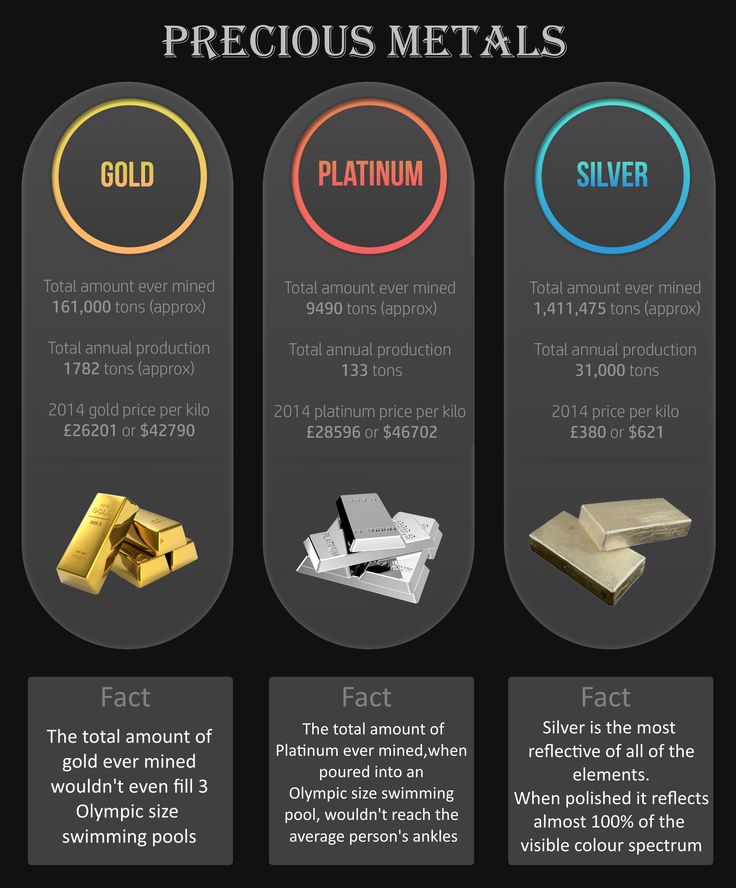
Precious metals, such as gold, silver, platinum, and palladium, have long been used as a store of value, a hedge against inflation, and a safe haven asset during times of economic or political uncertainty. While gold has historically been the most popular and widely traded precious metal, other precious metals offer unique characteristics and investment opportunities.
Key Characteristics of Precious Metals
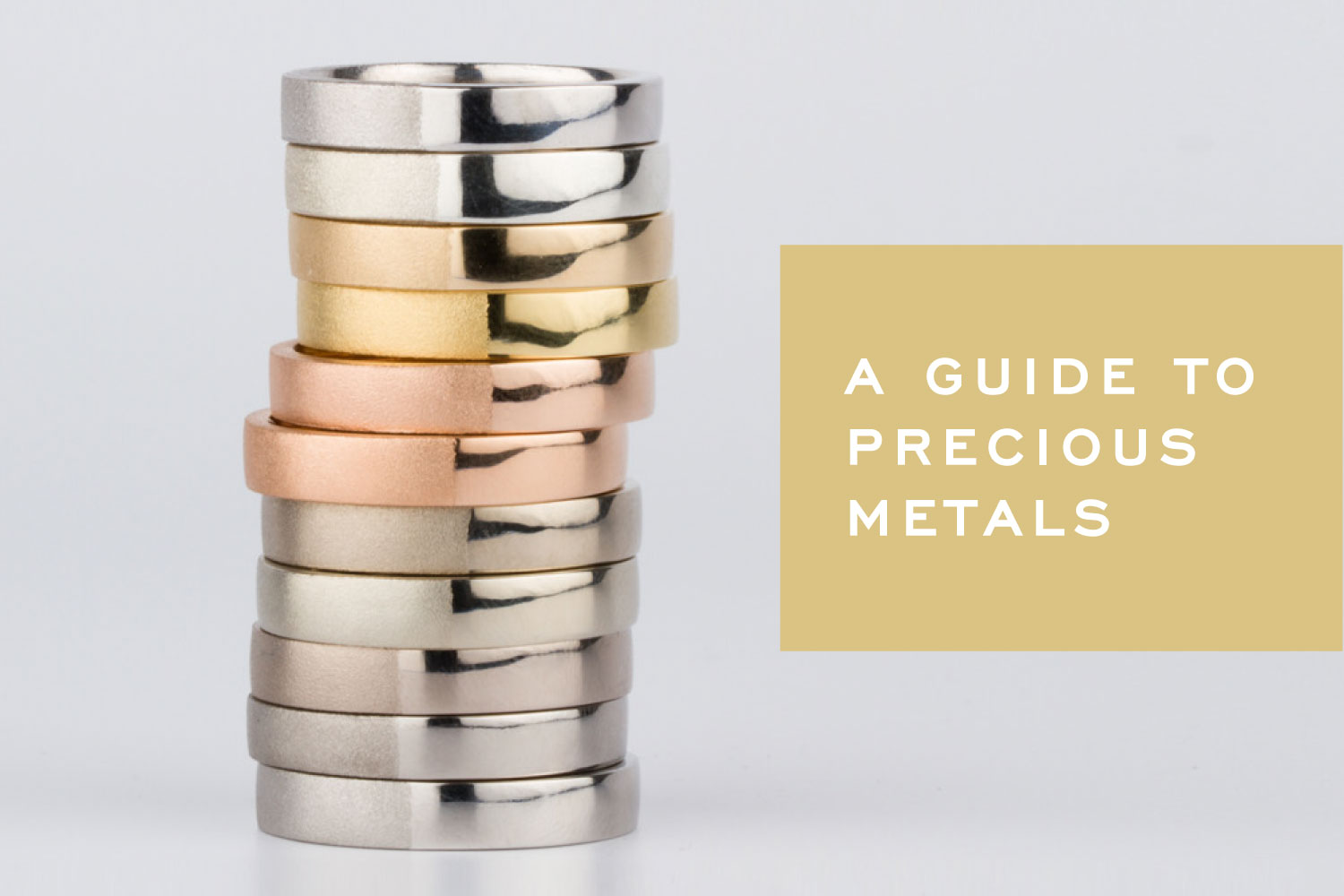
| Feature | Gold | Silver | Platinum | Palladium |
|---|---|---|---|---|
| Symbol | Au | Ag | Pt | Pd |
| Density (g/cm3) | 19.3 | 10.5 | 21.45 | 12.02 |
| Melting Point (ºC) | 1064 | 962 | 1769 | 1552 |
| Hardness (Vickers) | 218 | 25 | 200 | 470 |
| Electrical Conductivity (% IACS) | 70 | 105 | 44 | 33 |
Investment Analysis
Gold
- Advantages:
- Highest liquidity and market depth
- Stable and widely accepted as a store of value
- Hedging potential against inflation and economic uncertainty
- Disadvantages:
- Lower yield compared to other precious metals
- Historical price volatility
- Susceptible to geopolitical events
Silver
- Advantages:
- Lower price point than gold, making it more accessible to investors
- Higher industrial demand, which can support price stability
- Potential for growth due to increasing demand in renewable energy and electronics
- Disadvantages:
- Lower liquidity compared to gold
- Greater price volatility than gold
- Potential for supply imbalances due to industrial demand
Platinum
- Advantages:
- Industrial usage in catalytic converters, reducing price dependence on jewelry demand
- Scarcity compared to gold and silver
- Potential for appreciation due to growing demand in hydrogen fuel cells and automotive applications
- Disadvantages:
- Lower liquidity than gold and silver
- Vulnerable to fluctuations in the automotive industry
- High production costs
Palladium
- Advantages:
- Industrial demand in catalytic converters, similar to platinum
- Scarcity and limited supply
- Potential for growth due to increasing vehicle production and emission regulations
- Disadvantages:
- Lower liquidity than gold and silver
- Highly dependent on the automotive industry
- Price volatility due to supply-demand imbalances
Diversification and Risk Management
Investing in a diversified portfolio of precious metals can provide investors with the following benefits:
- Reduced risk: Diversification across different precious metals can reduce portfolio volatility and mitigate the impact of price fluctuations in any single metal.
- Enhanced returns: Different precious metals can exhibit different price patterns, potentially providing opportunities for diversification gains.
- Strategic allocation: Allocating a portion of an investment portfolio to precious metals can provide a hedge against economic or political uncertainty.
Conclusion
While gold remains the most widely recognized and liquid precious metal, other precious metals such as silver, platinum, and palladium offer unique characteristics and potential investment opportunities. Investors seeking diversification, yield, or exposure to specific industries may consider incorporating these metals into their portfolios. However, it’s important to remember that all investments carry risk, and it’s crucial to conduct thorough research and consult with financial professionals before making any investment decisions.Gold Vs. Andere Edelmetalle: Eine Vergleichende Analyse
Zusammenfassung
Edelmetalle sind seit Jahrhunderten ein fester Bestandteil des globalen Finanzsystems. Gold, das wertvollste dieser Metalle, dient seit langem als Währungsreserve und Wertspeicher. Doch in den letzten Jahren haben andere Edelmetalle wie Silber, Platin und Palladium an Bedeutung gewonnen. In dieser Analyse werden wir Gold mit diesen anderen Edelmetallen vergleichen und ihre einzigartigen Eigenschaften, Anwendungen und Anlagepotenziale untersuchen.
Einleitung
Edelmetalle zeichnen sich durch ihre hohe Beständigkeit gegen Korrosion und chemische Reaktionen aus. Sie sind außerdem selten und haben einen hohen intrinsischen Wert. Diese Eigenschaften machen sie zu attraktiven Anlageoptionen, da sie im Gegensatz zu Fiat-Währungen nicht durch die Geldpolitik beeinträchtigt werden.
FAQ
- Welches ist das wertvollste Edelmetall? Gold
- Welches Edelmetall wird häufig in Schmuck verwendet? Gold und Silber
- Welches Edelmetall wird in der Elektronik verwendet? Platin
Eigenschaften von Edelmetallen
Gold
- Eigenschaften: Gelbliches Metall, weich, formbar
- Wichtige Merkmale:
- Hoher intrinsischer Wert
- Währungsreserve
- Sicherer Hafen während wirtschaftlicher Unruhen
Silber
- Eigenschaften: Weißliches Metall, hart, duktil
- Wichtige Merkmale:
- Zweitwertvollstes Edelmetall
- Wird in Schmuck, Münzen und Industrie verwendet
- Antibakterielle Eigenschaften
Platin
- Eigenschaften: Silberweißes Metall, hart, dicht
- Wichtige Merkmale:
- Höherer Schmelzpunkt als Gold
- Wird in Katalysatoren, Schmuck und Zahnmedizin verwendet
- Seltener als Gold
Palladium
- Eigenschaften: Silberweißes Metall, hart, dehnbar
- Wichtige Merkmale:
- Wird in Katalysatoren, Zahnmedizin und Schmuck verwendet
- Seltener als Platin
- Höherer Schmelzpunkt als Platin
Anlagepotenziale
Die Anlage in Edelmetalle kann eine Möglichkeit sein, ein diversifiziertes Portfolio aufzubauen und das Risiko zu verringern. Jedes Edelmetall hat seine eigenen einzigartigen Eigenschaften, die es zu unterschiedlichen Anlagezielen geeignet machen.
- Gold: Langfristiger Wertspeicher, Absicherung gegen Inflation
- Silber: Beide Anlage- und industrielle Anwendungen
- Platin: Industriemetalle mit Potenzial für Preisanstiege
- Palladium: Katalysatoren und Schmuck, niedriges Angebot
Fazit
Edelmetalle spielen eine wichtige Rolle im globalen Finanzsystem. Sie bieten Anlegern eine Möglichkeit zur Diversifizierung und zum Schutz vor wirtschaftlicher Unsicherheit. Gold bleibt das wertvollste und beliebteste Edelmetall, aber andere Metalle wie Silber, Platin und Palladium haben ihre eigenen einzigartigen Eigenschaften und Anlagepotenziale. Bei der Entscheidung, in welches Edelmetall investiert werden soll, sollten Anleger ihre individuellen finanziellen Ziele und Risikotoleranzen berücksichtigen.
Schlagwörter
- Edelmetalle
- Gold
- Silber
- Platin
- Palladium