[How The Market Works]
Executive Summary
The market is a complex and ever-changing system that can be difficult to understand. However, by understanding the basics of how the market works, you can make better decisions about your investments and your finances.

Introduction
The market is a place where buyers and sellers come together to exchange goods and services. The prices of goods and services are determined by supply and demand. Supply is the amount of a good or service that is available, while demand is the amount of a good or service that people want to buy. When supply is high and demand is low, prices will fall. When supply is low and demand is high, prices will rise.
FAQs
- What is the difference between a stock and a bond?
A stock is a share of ownership in a company. A bond is a loan that you make to a company. - What is the difference between the primary market and the secondary market?
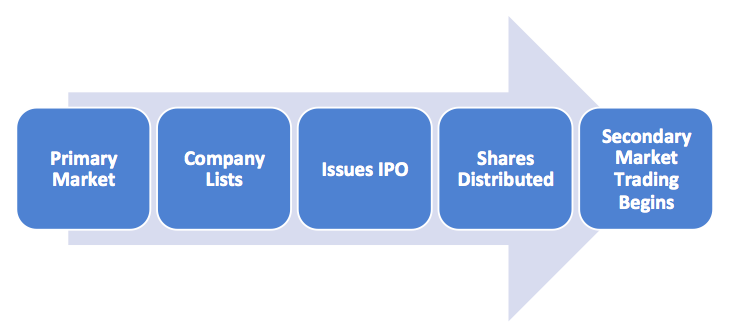
The primary market is where new stocks and bonds are issued. The secondary market is where stocks and bonds are traded after they have been issued. - What is the difference between a bull market and a bear market?
A bull market is a period of time when stock prices are rising. A bear market is a period of time when stock prices are falling.
Top 5 Subtopics
1. Supply and Demand
Supply and demand is the fundamental force that drives the market. When supply is high and demand is low, prices will fall. When supply is low and demand is high, prices will rise.
- 4 Important Pieces of Supply and Demand
- Price: The price of a good or service is determined by supply and demand.
- Quantity: The quantity of a good or service that is available is determined by supply. The quantity of a good or service that people want to buy is determined by demand.
- Equilibrium: The equilibrium price is the price at which supply and demand are equal.
- Surplus: A surplus occurs when supply is greater than demand. This will cause prices to fall.
- Shortage: A shortage occurs when demand is greater than supply. This will cause prices to rise.
2. Market Participants
The market is made up of a variety of different participants, including:
- 4 Important Pieces of Market Participants
- Individual investors: Individual investors are people who invest their own money in the market.
- Institutional investors: Institutional investors are organizations that invest money on behalf of their clients.
- Companies: Companies issue stocks and bonds to raise money to fund their operations.
- Governments: Governments issue bonds to finance their spending.
3. Types of Markets
There are a variety of different types of markets, including:
- 4 Important Pieces of Types of Markets:
- Stock market: The stock market is where stocks are traded.
- Bond market: The bond market is where bonds are traded.
- Commodity market: The commodity market is where commodities, such as oil and gold, are traded.
- Foreign exchange market: The foreign exchange market is where currencies are traded.
4. Market Regulation
The market is regulated by a variety of government agencies, including the Securities and Exchange Commission (SEC) and the Federal Reserve.
- 4 Important Pieces of Market Regulation
- Securities and Exchange Commission (SEC): The SEC regulates the securities industry.
- Federal Reserve: The Federal Reserve regulates the banking industry.
- Commodity Futures Trading Commission (CFTC): The CFTC regulates the futures industry.
- Financial Industry Regulatory Authority (FINRA): FINRA regulates the brokerage industry.
5. Market Trends
The market is constantly changing, and there are a number of factors that can affect market trends, including:
- 4 Important Pieces of Market Trends
- Economic conditions: The state of the economy can have a significant impact on the market.
- Interest rates: Interest rates can affect the value of stocks and bonds.
- Political events: Political events can also affect the market.
- Natural disasters: Natural disasters can also have an impact on the market.
Conclusion
The market is a complex and ever-changing system, but by understanding the basics of how it works, you can make better decisions about your investments and your finances.
Keyword Tags
- Market
- Supply and demand
- Market participants
- Types of markets
- Market regulation